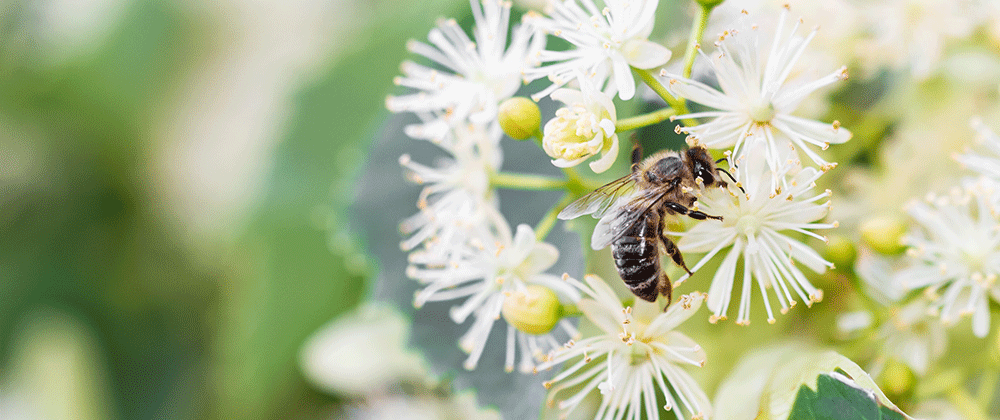
Though sometimes we might feel like we’re the sole beings responsible for the beauty and health of our yards, we’ve actually got a whole team of helpers; our local pollinators! Without pollinators—like bees, beetles, butterflies, and birds—plant growth would suffer. These little helpers transfer pollen from one plant to another, which is needed for the production of seeds and fruits, and necessary for plants to reproduce. Plus, the pollinators get a healthy meal of pollen and nectar from the plants!
Planting for pollinators is a fantastic way to learn about the local flora and fauna. Get the family involved by having a pollinator-themed scavenger hunt where you match the pollinator to the plant!
Why Native Plants Attract Pollinators
Just like us, pollinators have their preferences. It’s true that our pollinator friends are attracted to bright colors, but that’s not the only thing to take into consideration. It’s also important to include a variety of plants with different colors, scents, sizes, and blooming periods so that you attract different pollinator species.
With this said, above all, native plants are the best options for attracting pollinators. These plants have adapted to thrive in the local growing conditions, and many of the pollinators we’re trying to attract have evolved along with them. This means even the pollinators’ bodies may be shaped a certain way to reach a tasty treat at the base of a flower. So, let’s give these critters what they want by growing native plants!
Landscaping for Pollinators
Include a variety of plants to add interest to your yard—and attract the interest of pollinators! Also, avoid using chemical pesticides and fertilizers, which can be harmful to beneficial insects. Instead, use mulch, compost, and other organic solutions.

Trees
Flowering trees feed pollinators, and large trees provide shelter for wildlife—like bees, butterflies, and birds.
Linden: The fragrant, showy white flowers of linden trees bloom in spring and provide pollen and nectar to pollinators, including bees, beetles, moths, and flies. These deciduous trees have a pyramidal growth habit, so they work well if you want to add height to your landscape design, but width is limited.
Bur Oak: Pollinators, like bees, love the drooping yellow catkins on bur oak that flower in spring. The leaves also provide food for caterpillars. Bur Oak can grow in a wide range of soil types, plus it’s drought-resistant.

Shrubs
Similar to trees, shrubs provide year-round habitats for wildlife, including pollinators, and can help round out your landscape design.
Serviceberry: The springtime brings about white flowers of serviceberry, and by June, you’ll have a bounty of edible purple berries, perfect by the handful or in jams and jellies! Since this shrub blooms early in the year, it’s an essential source of food for emerging insects, like bees and butterflies.
Potentilla: These showy shrubs bloom all summer long, meaning they are a great choice in your landscape for both design and pollinator-attracting purposes. Potentilla is a hardy shrub that has little preference for soil and water conditions—a low maintenance option that’s also beneficial for the bees!

Perennials
Add even more color to your yard with perennials, thanks to the flowers of the plants and the pollinators they’ll attract.
Milkweed: Help save the monarch butterflies by planting milkweed in your yard. Not only do the colorful blooms, which last most of the summer and provide food for monarchs, but the plant is also a prime spot for the butterflies to lay their eggs.
Goldenrod: Bees, butterflies, and beetles love goldenrod. This hardy perennial blooms in late summer and early fall, which means you’ll have a buffet for pollinators to choose from right from spring through fall! This tall and slim plant has fluffy, golden flowers that grow in the shape of a pyramid. Once this plant is established, it needs very little care.
Creating a pollinator paradise in your Bismarck backyard is just one way you can thank nature for all that it offers us. And the beautiful landscape and colorful pollinator visitors are a wonderful added bonus!