
Have you ever noticed that your houseplants seem a little unhappy in the fall and winter? It’s not uncommon to see the edges of leaves turning brown, whole plants looking a little wilty and sad, leaves turning yellow and falling off. Besides getting the winter blues from lower light levels, there’s also a good chance your plants are suffering from a lack of humidity.
Usually, these houseplant symptoms of winter blues start to appear within a few weeks from when we turn the furnace on in the fall. Furnaces are great for keeping our homes warm during those cold North Dakota winters, but they also tend to do an excellent job of drying out that air, affecting our plants.

Many of the plants we keep as houseplants originated in jungle or rainforest types of conditions, so they prefer humidity. Low humidity levels don’t just cause our plants and our skin to feel dry. It can also cause water stress for our plants, which can make them more susceptible to pest infestations.
Running a cool-mist humidifier near your plants is one of the most effective ways to raise humidity.
9 Ways To Raise Humidity For Your Plants
Here are 9 ways you can raise your home’s humidity to help your plants feel a little more comfortable through the winter months:
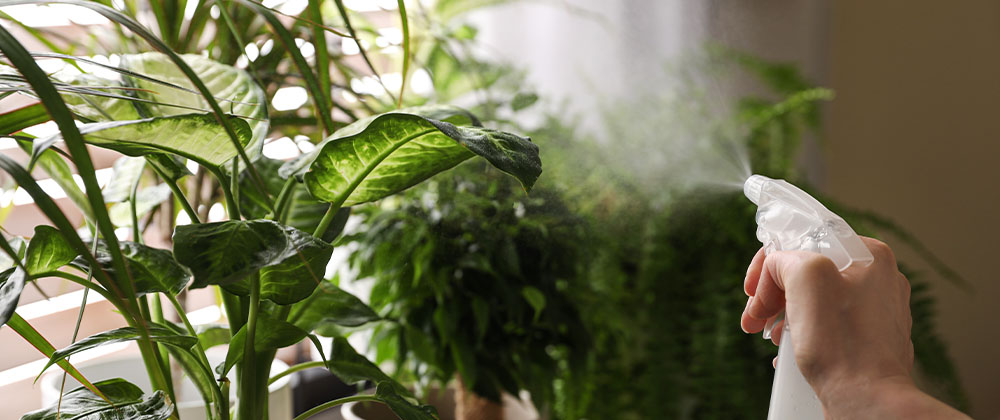
1. Misting using a spray bottle to mist your plants is a popular tactic to help the plants feel more humid. But, if it’s the only thing you do, it’s not going to make much difference unless you’re out there misting your plants several times every day. In combination with other efforts, though, it will help. You should probably mist your plants about twice a day through the winter. Just don’t mist plants like the African violet; they really don’t like water on their leaves.
2. Pebble trays are another great way to help your plants get some more humidity. Simply place a tray filled with pebbles underneath your planter and keep the tray filled with water. It evaporates right up under the leaves of your plants.

3. Add a humidifier near your plants. Running a cool-mist humidifier near your plants is one of the most effective ways to raise humidity. It’s even better in combination with pebble trays and misting.
4. Group your houseplants near each other. Not only does a group of plants look attractive, but it also helps them retain more humidity. Add in regular misting, pebble trays, and a humidifier, and there’s a good chance the whole group will feel a lot more comfortable all winter since you’re recreating the type of environment they’d be more likely to have in the wild.
5. Take advantage of rooms that have high water use like the kitchen, bathroom, or laundry room. These rooms will generally have a higher humidity level because of regular water use, so put groups of plants in these rooms if you have adequate light in them.
6. Give them a shower. The other thing our furnaces often do is kick up a layer of dust that settles on everything. Dust on your plant’s leaves makes it harder for them to photosynthesize, which they need to do to stay healthy. Hauling them off the shower every few months and giving them a rinse with room temperature water gives them a nice period of exposure to humid air, and it helps keep their leaves clean.

7. Put moisture-loving plants in a terrarium. If you have plants that are particularly moisture-loving, like ferns, nerve plants, baby tears, or moss, it will help to keep them in a terrarium-like environment for the winter. You can invest in beautiful glass terrarium pieces, place a jar over smaller plants, or even put a large clear plastic bag over bigger plants.
8. Run an indoor fountain near your plants. This has more than one bonus, better humidity, and the soothing sound and beauty of running water.
9. If you hang your clothes to dry, do it near your plants. Allowing your clothes to dry near your plants will also give a little boost to the humidity levels around your plants.
Avoid This For Healthier Houseplants
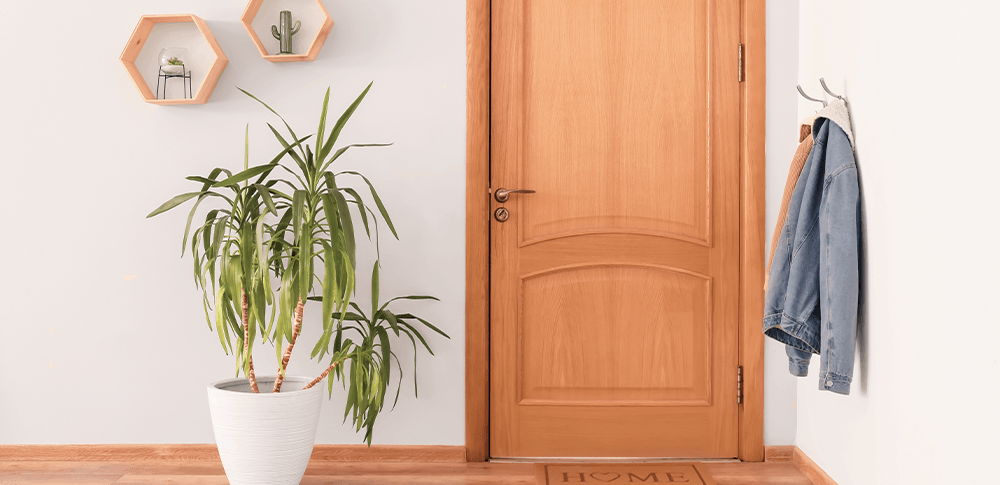
Drafts from the furnace or doors and windows and extreme temperature changes are hard on your houseplants. So, where possible, do your best to keep your houseplants away from heat registers and drafty doors and windows.