

It’s fall lawn care season, and what you do this month will significantly impact how your lawn looks next year! We’ve put together the ultimate guide to fall lawn care in North Dakota to help you achieve a golf course green that your whole neighborhood will envy.
Raking Leaves in the Fall
It’s no secret that raking leaves is a big part of fall lawn care, but what you do with those leaves also matters. Leaves are highly undervalued in the garden. If you only have a few lying around, you can leave them alone to provide shelter for hibernating wildlife and pollinators. They’re excellent to add to your compost bin if you have a thick layer of leaves in your landscape.
Dethatching Your Lawn
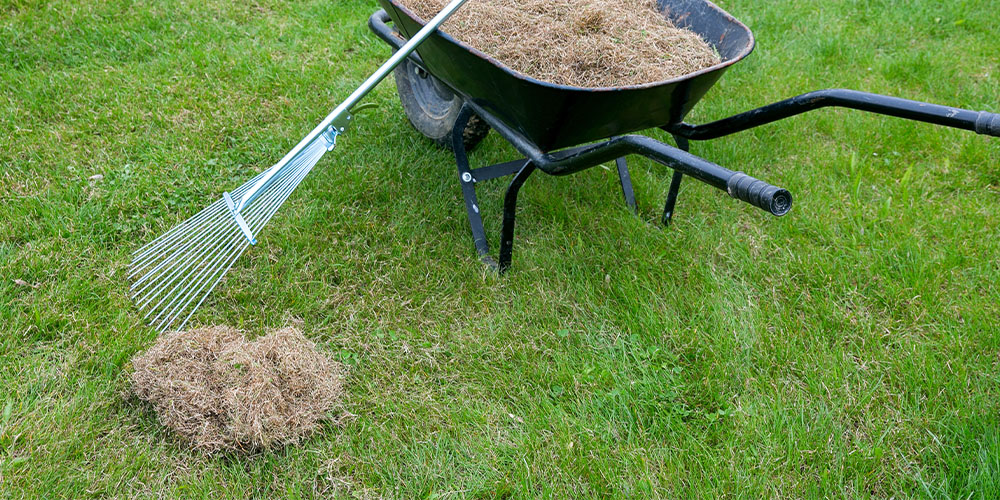
Dethatching is another critical step to check off your list. On a dry day, use a dethatcher to pull up the layer of dead, compacted grass that sits below the live blades; this will give your existing grass some room to breathe and make room for new seeds to take root. Rake it up and add it to your pile of fall leaves.
Lawn Aeration: Are DIY Solutions Worth It?
Aerating combats the side effects of packed-down soil from all the walking, playing, and snowfall on your lawn throughout the year. Punching holes in the soil allows water, fertilizer, and grass seed to penetrate the top layer of soil, making early fall the perfect time to aerate!
You can find several DIY aerator projects on the internet, but if you aim to aerate as quickly and inexpensively as possible, getting a reasonably-priced manual aerator and using it the day after a hard rain is your best bet. If you have a large yard, consider investing in a more robust device, making the job much faster and easier.

Choosing Fall Fertilizer for Your Lawn
While it would be convenient to use leftover fertilizer from the spring to green up their lawn in the fall, spring and fall fertilizers are not the same! A spring lawn fertilizer helps the lawn jump out of dormancy and green up fast. Fall fertilizer serves the opposite function; it helps your turf stock up on nutrients to sustain it through a long winter sleep. The best fertilizer for North Dakota lawns should have these attributes:
- Very high nitrogen (N) value: Look for a number between 20 and 30
- Low phosphorus (P) value: Phosphorus is abundant here; an established lawn likely doesn’t need more. Look for a number under 6.
- Moderate potassium (K) value: This nutrient is excellent for winterizing; look for a number around 10.
Should You Overseed Your Lawn in Fall?
Overseeding your grass in the early fall gives your seeds time to build strong roots before going dormant for the winter. Laying your seed down before the end of September will give you the best results and fill out your lawn nicely before the snow falls.
You can also try a technique called ‘dormant seeding,’ which is the practice of laying grass seed in late October or November when it’s too cool for the seed to germinate. The seeds lay dormant but protected under the snow and germinate in the spring, resulting in a bushy lawn weeks earlier than usual!
Managing Lawn Weeds in Fall
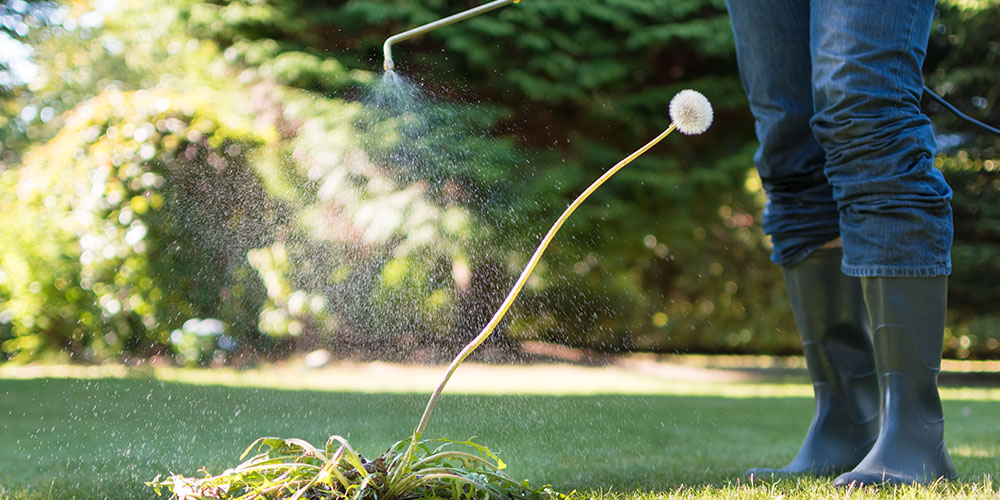
Soils in North Dakota are still warm, which means weed seeds are still germinating. Waiting until the first hard frost to apply broadleaf weed control is ideal, so you can kick weeds while they’re down and tackle those deep taproots before the lawn goes dormant. Our advice for weed control is to be very diligent when purchasing your product—get advice from a lawn specialist and read the label very carefully. Many weed control products can wipe out your entire lawn, which is a more challenging problem to fix!
Fall Lawn Mowing Guidelines
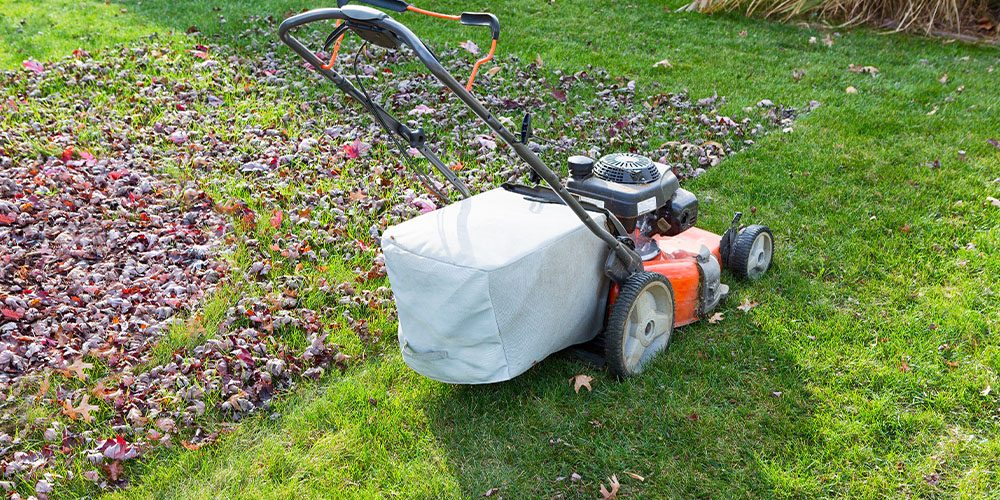
As temperatures hover between 75º and 55º, you can continue to mow your lawn so that it stays about 3-3.5″ long. Any longer and your grass will get trampled by the snow and mold, and any shorter won’t provide insulation from the snow for the soil.
For more DIY fall lawn care near you, look no further than Plant Perfect Garden Center in Bismarck, ND! Our specialists can help you choose the right products for an enviable landscape all year long.