
Planting Instructions For Fall Bulbs
There are 4 main guidelines for planting spring-blooming bulbs in the fall.
- Plant spring-flowering bulbs approximately 6 weeks before the first hard frost. In Bismarck, this is anytime from mid-September to mid-October. You can still plant them later if you have them. It’s better to plant bulbs than try to store them for next year.
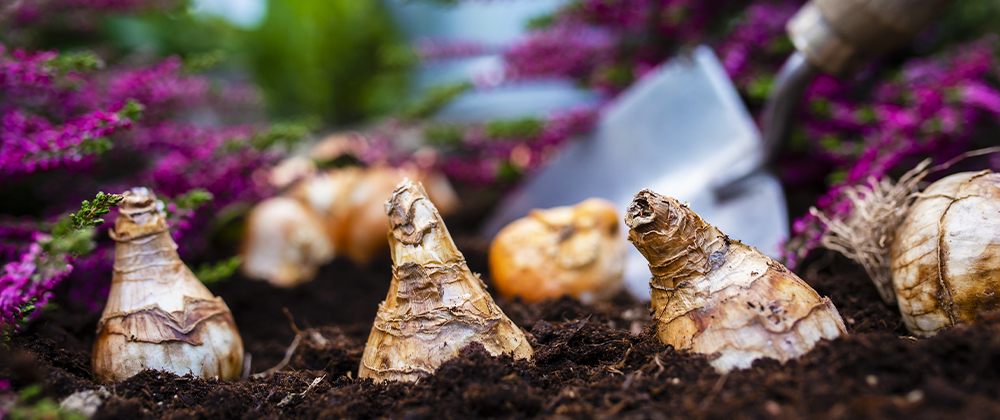
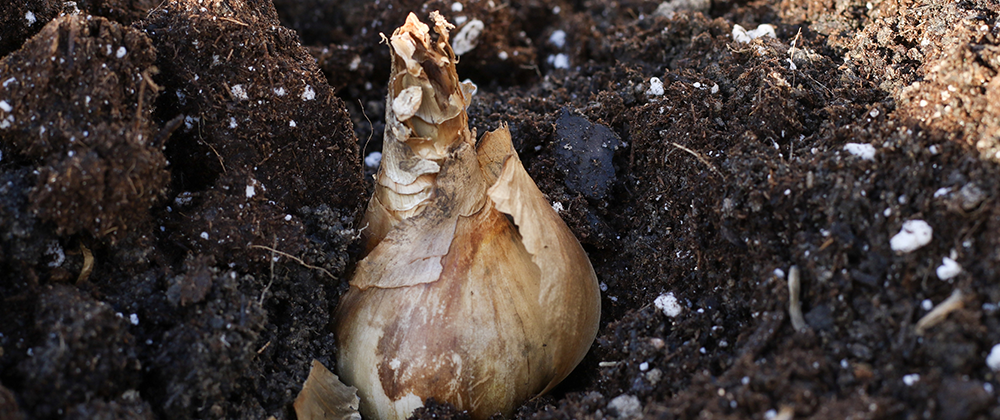
- Plant them 3x as deep as they are tall and 2x as wide as they are tall. So if your bulb is 2 inches tall, plant it 6 inches deep, and 4 inches away from other bulbs of the same type.
- Set bulbs in the planting hole with the pointy end up, so the leaves and buds have the easiest time pushing up through the soil.
- Water them in. Give new bulbs a long, slow soak to make sure the water gets all the way down to the bulbs. They need this first watering to start putting out their roots before the ground freezes for the winter.
There are a few extra things you can do to give them a better chance as well.
- Sprinkle a bulb fertilizer in the bottom of the hole when you’re planting.
- Add a layer of mulch over the planting area to protect them even more. This will delay blooms in the spring a little bit, but it will keep them safe from spring freeze/thaw cycles, which can kill bulbs.
- In the spring, once it’s reliably warm, you can pull the mulch back if you like to encourage bulbs to come through faster and warm the soil.
- You may also need to start watering them again in the spring if we have an unusually dry winter or don’t get much snow.
- Bulbs usually look better when they’re planted in clumps or groups, rather than precise rows.
- Succession planting will help keep your flower beds full of flowers from the last snow until the summer flowers start blooming.
Succession Planting
Succession planting is choosing your bulbs by their likely bloom time. This does vary somewhat; you can’t pinpoint the exact bloom date because weather, soil, and water all affect it. But, you can check the estimated bloom time.
Above, we separated the bulbs into early, mid, and late spring blooms. If you plant an assortment of bulbs from each of those time periods, you’ll be blessed with a flush of flowers from early spring (maybe even before the snow is gone), all the way through May, when summer flowers start to push open their blooms for the year.
If you’re using succession planting for bulbs, don’t be afraid to mix varieties in the same space. Don’t be scared to throw some bulbs from each estimated blooming season into the same area. That way, you’ll always have blooms all season in each space.
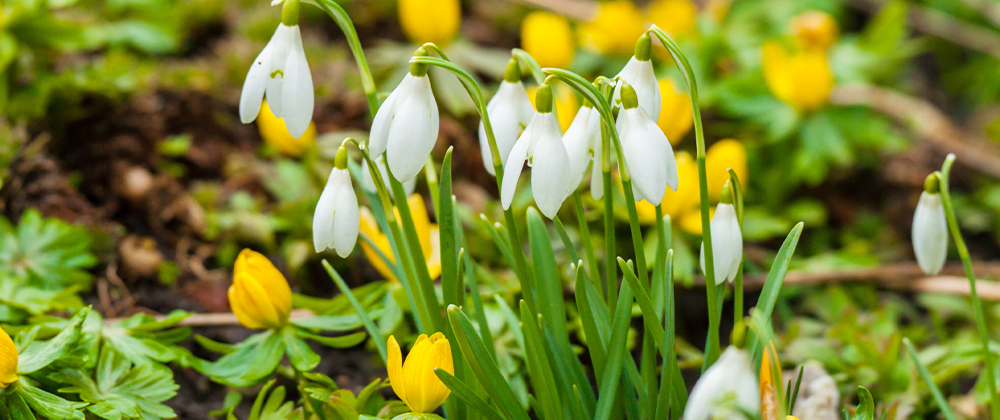
While tulips need to be spaced 4 inches from each other, you can tuck aconite or snowdrops in between them. Keep in mind that planting depth varies. You can plant all your spring bulbs at the same depth, but it will affect your bloom time. If your snowdrops are planted super deep, they may not bloom as early as you hoped.
Why Bulbs Need to be Planted in Fall
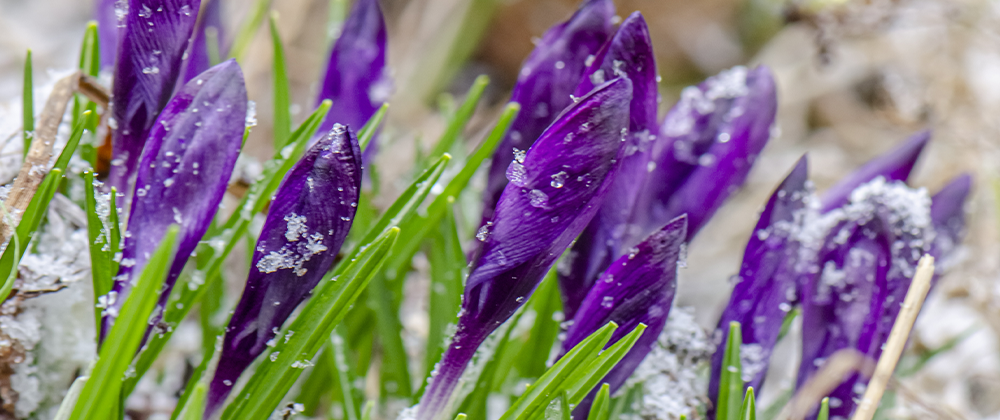
Spring-blooming bulbs need to be exposed to an extended period of cold weather to initiate the growth process and the blooming process. This is called vernalization. This breaks their dormancy cycle and helps them wake up and get ready to grow. It also has many benefits for the bulb: it improves overall health, cold resistance, and tolerance, fungal disease resistance, and encourages the plant to produce bigger and taller flowers.
Spring-blooming bulbs sell out fast, so don’t wait too long to get yours. It’s also a lot easier to plant them now, while the ground is still soft. Stop by the garden center today and pick out your favorites!