

Like the first flower or first snowfall, the first frost is a landmark event of the year. It can change the face of our garden overnight. We know it’s coming sooner or later, but we don’t have to wait for it unprepared. With these key tasks, we can protect tender plants, prolong the vegetable harvest, and ensure the garden is ready for those freezing temperatures!
How to Predict the First Frost in Bismarck
Anticipating the first frost of the year is not difficult, but it does require your attention. We can typically expect the first frost around September 25th in Bismarck. Around this time, pay extra attention to weather reports—especially overnight lows and frost advisories. If you spend enough time outside, you may recognize an unusually-cold chill in the air as the sun goes down. That’s a telltale sign that frost is on the way.
How to Prepare Your Garden For Frost
1. Harvest fruit and vegetables that will be affected by frost, e.g. lettuce, tomatoes, peppers, cucumbers, strawberries, and zucchini. This is especially important to do if you’re not going to cover them overnight. If you do cover them, it’s still a good idea to harvest what is ripe to minimize the risk of any damage.

2. Cover tender vegetables that you want to protect from frost and continue to grow after the frost comes. Frost doesn’t have to destroy your vegetables and end your harvest season. Covering them is a simple way to extend the growing year. Check out the list below to find out which vegetables need to be covered.
3. Move tender potted plants and vacationing houseplants inside. This includes tropical plants and plants that aren’t hardy to our growing zone. Keep in mind that for a successful transition indoors for the winter, they need an adjustment period. Start preparing and debugging them several weeks before the anticipated first frost.
4. Cover tender annuals or move them inside, if you want to prolong your fall flowers, e.g. marigolds, lobelia, geraniums, verbena, and zinnias. These annuals will succumb to the cold eventually, but they don’t have to perish during the first frost. We can protect them from overnight lows until the daytime temperatures get frosty. You can also overwinter some of these plants indoors as houseplants or as root balls!
Which Vegetables Should I Protect From Frost?
Frost-Tender Vegetables: tomatoes, peppers, cucumbers, corn, beans, squash, pumpkins, eggplant, and basil will not withstand even a light frost. If there is any risk of frost, they need to be covered or moved into the garage overnight.
Half-Hardy Vegetables: beets, carrots, cauliflower, chard, lettuce, onions, peas, radish, and spinach can withstand a light frost, but need to be covered if temperatures dip below 28F.
Frost-Hardy Vegetables: broccoli, Brussels sprouts, cabbage, Chinese cabbage, kale, kohlrabi, parsnip, and turnips can withstand a hard frost (24-28F). In fact, frost sweetens their leaves. They don’t need to be covered during a light frost.
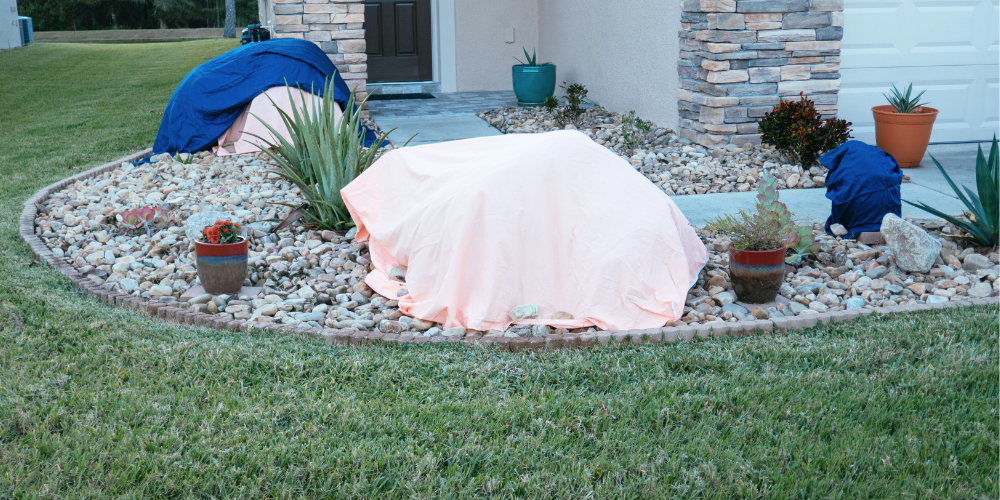
Methods for Outsmarting Frost in North Dakota
Use a Bed Sheet or Tarp
Both sheets and tarps will keep frost from damaging your plants. Tarps are more impermeable and offer better protection during a hard frost, but sheets work just as well for light and average frosts. It’s important to suspend the cover above the plants with stakes, otherwise, any part of the plant touching the material will freeze. It’s equally important to bring the cover right to the ground on all sides, so no frost can enter from below. Place rocks around the edges to prevent wind from blowing it away.
Row Covers
Row covers act in the same way as a sheet or tarp. The only difference is that you build permanent hoops above the plants so you can easily install the covering when the time comes. Row covers also use transparent plastic or a translucent sheet so that you don’t have to remove the covering during the day. Instead, the row cover acts as a miniature greenhouse to keep your plants warm and prolong the growing season during the fall.
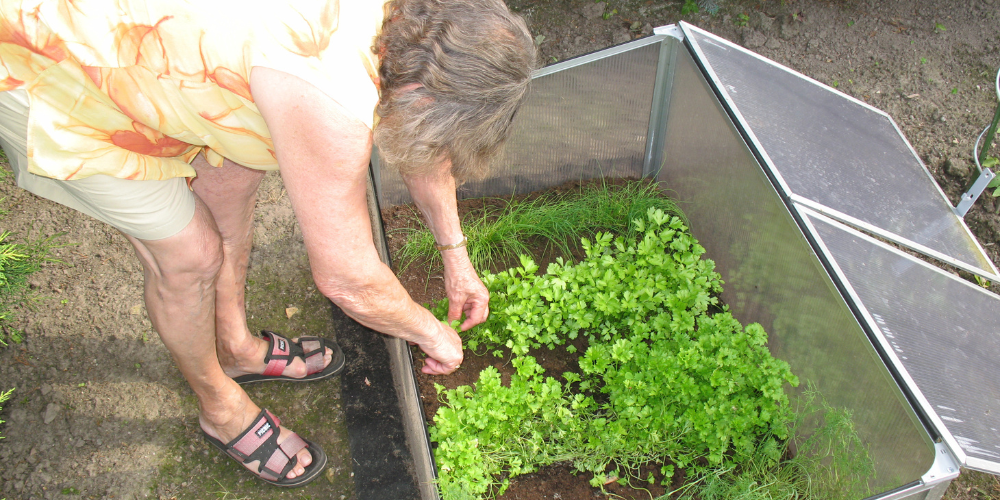
Cold Frames
Cold frames are smaller-sized frames with a glass or plastic covering that you install over your vegetable beds. Like row covers, they also act like miniature greenhouses. The window can be opened or propped open during the day if it gets too hot inside the frame.
More Tips for Preparing for Frost
If you do cover plants overnight, be prepared to remove your sheet or tarp when temperatures warm up in the morning. The plants need to breathe and they need sunlight. It’s a good idea to keep the stakes in place and tarp handy for future frost events. Even with a simple covering like this, you can extend your growing season for weeks.
You can also place jugs of warm water inside your covering for extra heat during frost events. Another useful method is to water plants at night before you cover them. The presence of water keeps the temperatures more stable and less likely to dip. Mulching with straw is a final way to tuck your plants into a cozy bed during those cold nights.
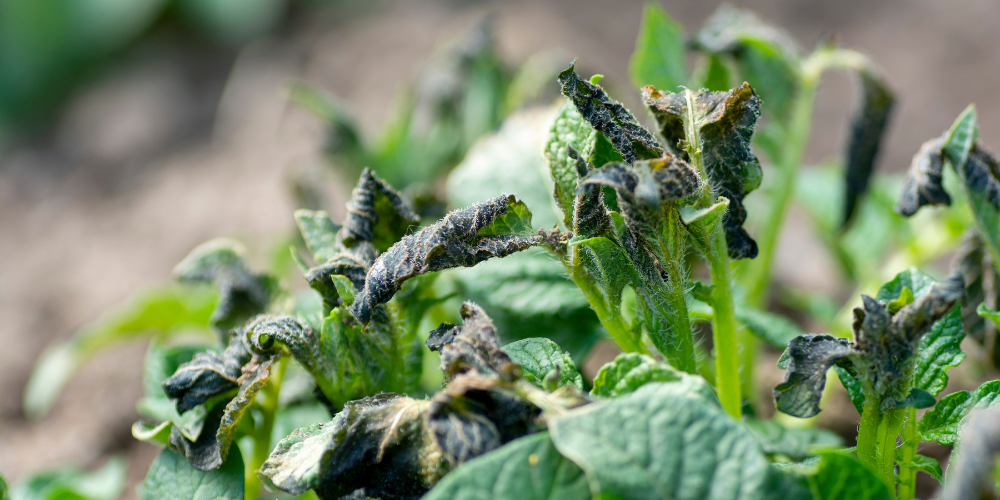
What Happens if Frost Damages a Plant?
If frost sneaks inside your covers or catches you by surprise, there’s still a chance that tender plants will survive. The frost damage may take several days to appear, so wait to assess the damage before you take action. If frost damage is minimal, simply prune away any dead parts that don’t look like they’ll recover. If the whole plant perishes, kindly thank it and let it nourish your future garden in the compost pile.
At the end of the day, gardeners can plan ahead for frost by preparing to move tender plants, setting up row covers, keeping bed sheets on hand, harvesting vegetables proactively, and watching the weather closely. If frost is on the way, take the extra time to prepare your garden well. Your plants will thank you, and you’ll get to enjoy fresh veggies and beautiful fall flowers for many more weeks to come.
For more insight on preparing your garden for frost, visit our Garden Center in Bismarck, North Dakota!