
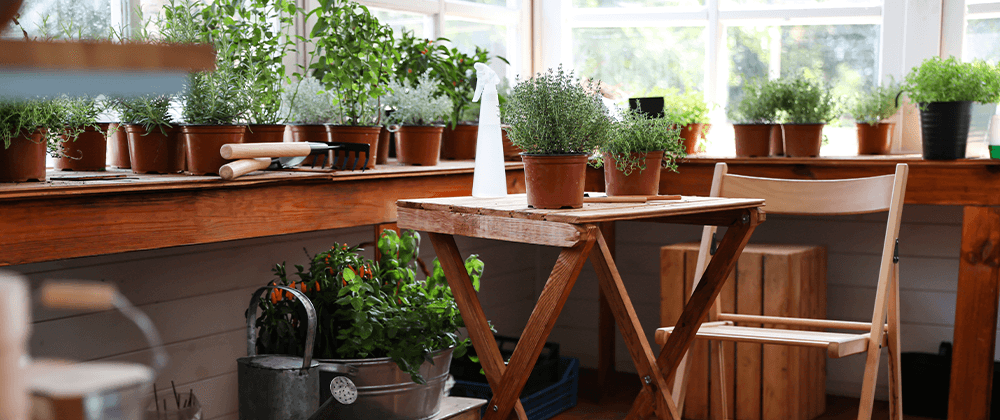
Did you know that several of the plants we grow as annuals in North Dakota are actually perennials in warmer climates? In other parts of the country, they’d survive through a milder winter and come up again in the spring, year after year. So what that means is that you can bring many of these plants indoors for the winter, and keep them as houseplants, and then use them outside again next year!
One of the advantages of bringing plants indoors for winter is that they can grow much larger over time, so that small potted plant you have now could develop into a much larger shrub or tree over a few years if you wanted to bring it in every winter. Overwintering tender plants in North Dakota also means you won’t have to buy as many new plants next spring. They’ll also probably start to produce new growth earlier in the spring, so you’ll be starting the season off with larger plants than usual.
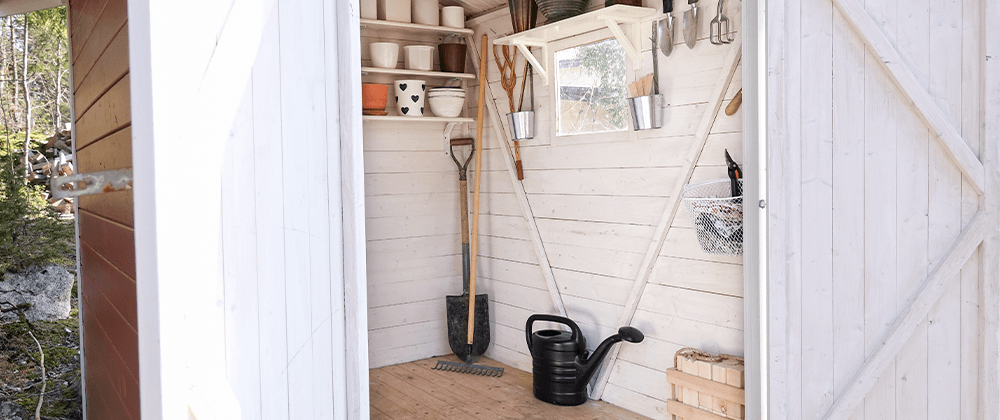
How To Move Tender Perennials Indoors Safely
Before you haul all your favorite plants into the house, make sure you do it right, so you don’t cause yourself more significant problems, such as a pest infestation. There are many more bugs outside, and sometimes they can get into our outdoor plants without us even noticing.
The outdoor environment is also a lot brighter and generally more humid than indoors, so our plants will experience a bit of stress when adjusting to an indoor environment. Ideally, you should start the transition indoors a few weeks before the first frost is expected. Here are the steps:
1. Preparation is Key:
Timing: Start the transition process before the first frost. Tender perennials should be moved indoors while the weather is still mild.
Inspection: Before the move, inspect your plants for pests or diseases. Address any issues before bringing them inside.
2. Pruning and Grooming:
Trimming: Prune back your tender perennials to reduce their size and encourage bushier growth indoors. Remove any dead or yellowing leaves.
Grooming: Inspect the plants for any signs of pests. Groom the foliage to eliminate unwanted hitchhikers such as aphids, spider mites, and more.
3. Transition Gradually:
Acclimatization: Help your plants acclimate to the change in environment by gradually introducing them to indoor conditions. Place them in a shaded, protected area for a few days before moving them indoors.
4. Choose the Right Location:
Light Conditions: Identify suitable spots in your home with the right light conditions for each plant. Consider placing them near windows with bright, indirect light.
Temperature: Aim for a temperature range of 60-70°F (15-21°C). Avoid placing plants near drafts or heating vents.
5. Repotting and Soil Check:
Repotting: Consider repotting your plants into fresh, well-draining soil. This helps eliminate any pests or diseases lurking in the soil.
Soil Check: Ensure the soil is moist but not waterlogged. Adjust watering habits accordingly.
6. Pest Prevention:
Quarantine: Keep newly-moved plants separate from your existing indoor plants for a few weeks to monitor for any potential pest issues.
Natural Repellents: Consider using natural pest repellents like neem oil or insecticidal soap as a preventive measure
7. Maintain Humidity:
Humidity Levels: Many indoor plants benefit from increased humidity. Place a shallow tray of water near your plants or use a humidifier to maintain optimal levels.
Misting: Lightly-mist the plants occasionally, especially if your home has dry indoor air
8. Monitor and Adjust:
Observation: Keep a close eye on your tender perennials during the first few weeks indoors. Watch for any signs of stress, pest infestations, or diseases.
Adjustment: Adjust watering frequency and light exposure based on how your plants respond to indoor conditions.
9. Winter Watering Routine:
Watering: Be mindful of the reduced light and lower temperatures indoors. Adjust your watering routine to prevent overwatering, and let the top inch of soil dry out before watering.
10. Prepare for Spring Transition:
Spring Planning: As the days lengthen and outdoor temperatures rise in spring, plan for the transition back outdoors. Gradually reintroduce your plants to outdoor conditions.
What Plants to Overwinter
Before you bring plants inside, it’s important to know if what you have is a tender perennial, or if it’s genuinely an annual. Plants like pansies, petunias, and calibrachoa are true annuals, so there’s no point in bringing them in, as they will never bloom again as brilliantly as they did the first year.
Here are some plants that you can overwinter indoors:
1. Tender Perennials:
- Examples: Geraniums, Begonias, Lantana
- Overwintering Tip: Before the first frost, dig up tender perennials from the garden, trim them back, and pot them. Place the pots in a cool, well-lit area indoors. Water sparingly to prevent root rot.
2. Container Plants:
- Examples: Potted Shrubs, Ornamental Grasses
- Overwintering Tip: Move container plants to a sheltered location, such as a garage or covered porch. Mulch around the base of the pots for added insulation. Water sparingly, ensuring the soil doesn’t dry out completely.
3. Rose Bushes:
- Overwintering Tip: Mound soil around the base of rose bushes to protect the graft union from extreme cold. Mulch can also be applied to insulate the roots. Consider wrapping the canes with burlap or a specialized rose cone.
4. Herbs:
- Examples: Rosemary, Thyme, Sage
- Overwintering Tip: Herbs in pots can be brought indoors for winter. In the garden, cut back herb plants, leaving a few inches above the soil. Mulch around the base for protection.
5. Tender Bulbs:
- Examples: Dahlias, Gladiolus, Cannas
- Overwintering Tip: After the first frost, dig up tender bulbs and tubers. Allow them to dry, then store in a cool, dry place like a basement or garage. Check periodically for signs of rot.
6. Hardy Annuals:
- Examples: Pansies, Violas
- Overwintering Tip: Hardy annuals can often withstand winter temperatures. However, providing a layer of mulch around their base can offer additional protection
7. Vegetables:
- Examples: Carrots, Beets, Parsnips
- Overwintering Tip: Some root vegetables can be left in the ground over winter. Mulch heavily to insulate the soil, preventing it from freezing completely.
8. Shrubs and Trees:
- Examples: Boxwood, Arborvitae, Conifers
- Overwintering Tip: Young or newly-planted shrubs and trees benefit from a layer of mulch around their base to protect roots. Wrapping with burlap can also prevent winter burn.
9. Fall-Planted Garlic:
- Overwintering Tip: Garlic planted in the fall needs a period of cold to form bulbs properly. Mulch with straw or leaves to protect the soil and prevent frost heave.
10. Fall-Sown Cover Crops:
- Examples: Winter Rye, Crimson Clover
- Overwintering Tip: Cover crops sown in the fall serve as a protective blanket for the soil, preventing erosion and adding organic matter when tilled in the spring.
Many herbs will overwinter well indoors too, and even give you tasty, fresh herb leaves all winter. Consider planting: basil, chives, mint, oregano, rosemary, sage, tarragon, or thyme.
Most of these herbs would overwinter best if they were in a pot all summer. Particularly, don’t attempt to dig up a basil plant and pot it in the fall. You’d be better to take cuttings and propagate or start new plants from seed.
Other plants you can also overwinter outdoors include:
- Agapanthus
- Bamboo
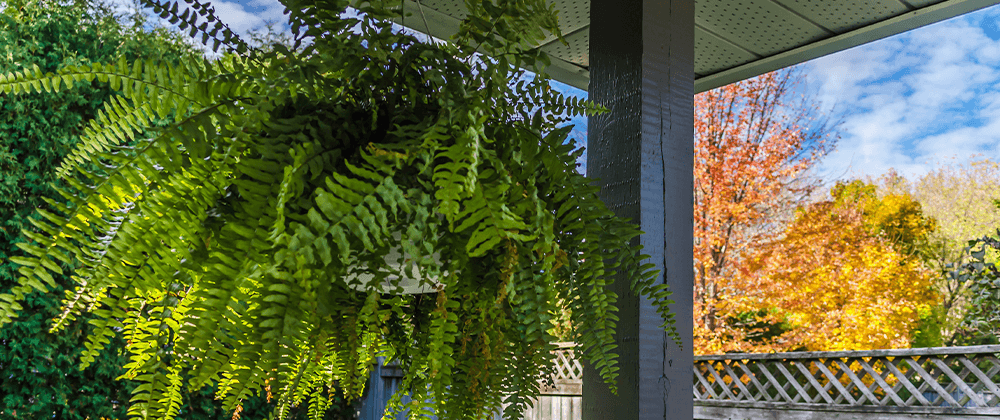
- Boston ferns
- Bougainvillea
- Citrus
- Cordyline
- Croton
- Dracaena
- English ivy
- Hibiscus
- Impatiens
- Jasmine
- New Zealand flax
- Oxalis
- Palms
- Salvia
- Golden trumpet
- Succulents and Cacti
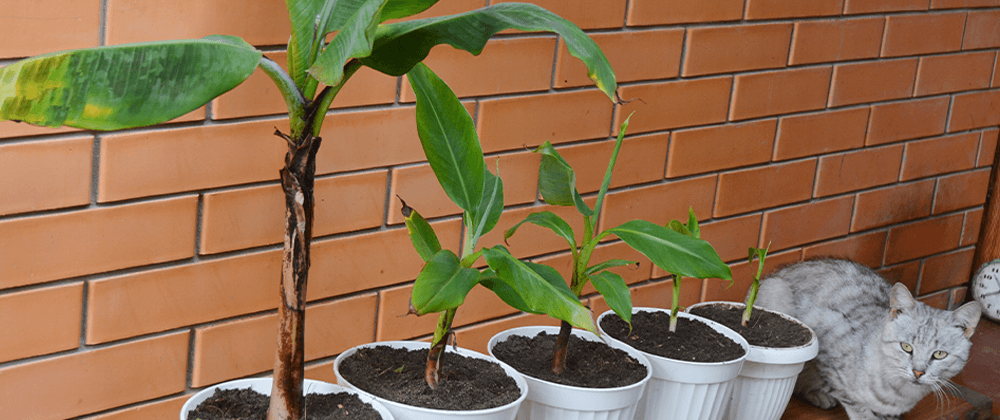 Give These Plants a Winter Rest Indoors
Some plants require a period of dormancy for the winter. Either dig up the roots or bulbs of these plants and store them somewhere cool, dry, and dark, or, cut back their foliage and store their pot somewhere cool and dark. If you store the whole pot inside, it is important to keep them slightly-moist, so their roots or bulbs don’t shrivel up completely.
Plants that need a winter rest include begonia, caladium, calla, canna, colocasia, dahlia, gladiolas, and sweet potato vine.
Don’t let a cold North Dakota winter kill your favorite tender perennial plants this year. Bring them inside, quarantine them, and keep them as houseplants for the winter. Next spring, you’ll have large and happy plants to fill your planters and containers with. You’ll be the first one with full blooming planters on your street!