
The time for starting seeds indoors has arrived! An essential part of gardening, this easy practice gives your vegetables a head start and ensures your slow-growing plants have enough time to mature. Focusing on the most common vegetables, here is a guide on when and how to start seeds early!
Which Vegetables Can You Start Indoors?
Starting vegetables indoors gives slow-growing crops extra time to mature. Among these crops, the most popular to start early are cabbage, broccoli, tomatoes, and peppers, which we’ll focus on primarily in this article. You can also start other slow-growers like celery, cauliflower, brussels sprouts, eggplants, and some herbs. Greens, like lettuce, are great candidates, too, if you want to enjoy an earlier harvest.
How Early Should You Start Vegetable Seeds
When it comes to houseplant preparations, early spring is a time to assess your collection, investigate your plants’ health, check for problems, clear away anything you don’t need, and begin new projects.
Vegetable
Bell Peppers
Broccoli
Cabbage
Tomatoes
When to Start Seeds
Mar 4 – Mar 19
Mar 19 – Apr 2
Mar 19 – Apr 2
Mar 19 – Apr 2
When to Transplant into Garden
May 21 – Jun 4
Apr 16 – May 7
Apr 16 – Apr 30
May 21 – Jun 11
Note: you can transplant cabbage and broccoli outside before the last frost—they can handle a bit of chill. However, wait to transplant tomatoes and peppers because they are more tender.
What Materials Do You Need?
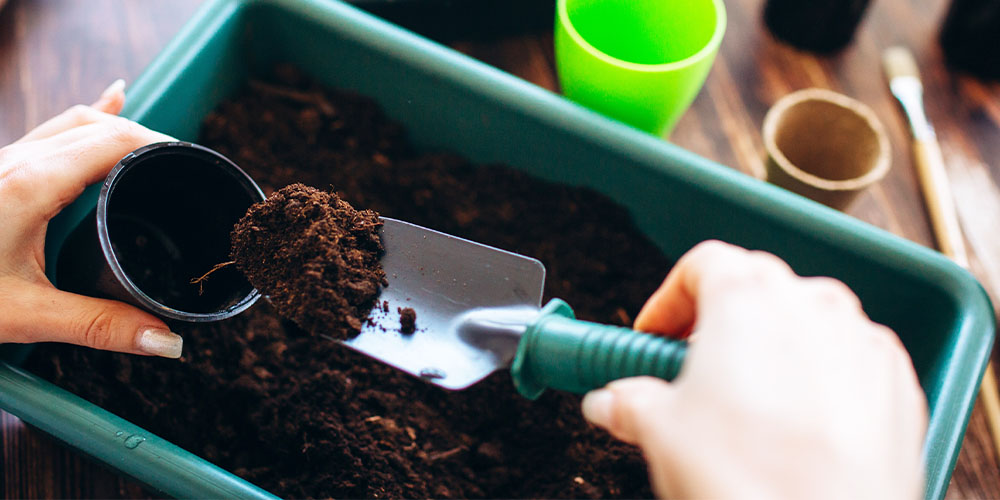
All you need to start seeds early is a tray or container, some soil, and a bright sunny window:
- Container: a seed starting tray is ideal for most vegetables, but you can also use small compostable or plastic cups to give your tomatoes and peppers more room to grow. Remember to create a drainage hole in the cup!
- Soil: you’ll have the most success with potting soil or seed-starting soil, but avoid using soil from outside as it’s too dense and may contain pathogens.
- Light: a bright sunny window is vital to give your seeds as much light as possible.
What Is the Best Way to Start Seeds?
Place your seed-starting soil in the trays or cups. Plant one or two seeds in each compartment according to the recommendations on the seed package. Water your seeds daily for 1-2 weeks after planting to ensure that the seeds stay moist during germination. After the second leaves unfurl, thin out any crowded plants by cutting down the weaker ones of any pair.
Pro Tip: for watering, use a clean turkey baster or a watering can with a small stem so you can wet the trays gently without damaging the seedlings.

How to Harden Off Your Seedlings?
One to two weeks before you transplant your seedlings outside, it’s important to begin a transition period called hardening off.
- Begin by bringing seedlings outside into the shade for two hours.
- Transition them into dappled shade the following day for two hours.
- Bring them into the sunlight for two hours the next day.
- Increase their time outside by one hour daily until they’re outside for at least 8 hours straight. At that point, they’re ready to transition into the garden.
How to Transplant Seedlings into the Garden
When your babies are ready to graduate into the big outdoors, remember a few extra tips to make the process as smooth as possible.
- Space and Dig First: Find the correct spacing and dig your holes in the garden before you lift your seedlings out of the containers. That way, you’ll minimize any stress on the plants.
- Remove the Seedlings: the easiest way to remove the seedlings is by gently squeezing the compartment to pop the soil plug out. Try to keep as much soil around the root as possible. If squeezing doesn’t work, use a butter knife to help lift the plug out of the soil. Note: if your seedling is in a compostable cup, place the whole cup into the soil, which will break down as the plant grows.
- Planting Depth: except for tomatoes, plant all seedlings at the same depth as they grew in the trays. After planting, gently press the soil around the seedling to ensure it is firmly in place.

Key Tip for Transplanting Tomatoes
Tomatoes are naturally able to sprout roots on their stems. You can take advantage of this and encourage a stronger tomato plant by planting your tomato deeper than the root crown. Ideally, plant it so that one-half of the stem is underground. Before planting, remember to pinch off any leaves or branches from the lower half of the stem.
If you start your seeds early, you can easily give tomatoes, peppers, cabbage, and broccoli a good head start on the season. For any other questions on how to start seeds early, visit our garden center in Bismarck, ND!