

As the vibrant hues of summer give way to the warm, earthy palette of fall, your garden undergoes a fascinating transformation. Fall is a time of transition, offering not only a visual spectacle of warm oranges, deep reds, and earthy yellows but also unique gardening opportunities. This is your moment to embrace the changing seasons and prepare your garden for the coming spring. In this comprehensive guide, we will walk you through a wide range of tasks and tips to ensure that your garden thrives this autumn and beyond.
How to Prepare Your Garden for the Autumn
1. Remove Spent Flowers
As the days grow shorter and the nights cooler, it’s time to bid adieu to the blossoms that have graced your garden beds all summer. By trimming away spent flowers and yellowing leaves, you not only tidy up your garden but also make space for new fall favorites to take root. However, remember not to be too hasty with your pruners. Let the green leaves on your perennials remain untouched, as they continue to absorb energy throughout the fall. It’s only when the leaves wither and die that you should consider cutting back your plants.
This thoughtful pruning ensures that your garden remains vibrant and free from decaying foliage, allowing the remaining plants to flourish and shine.
2. Embrace Autumn Annuals
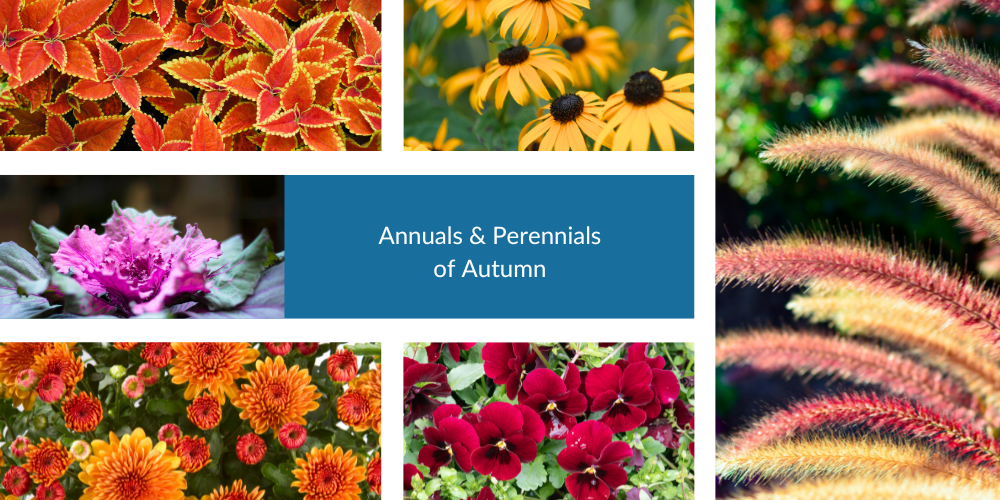
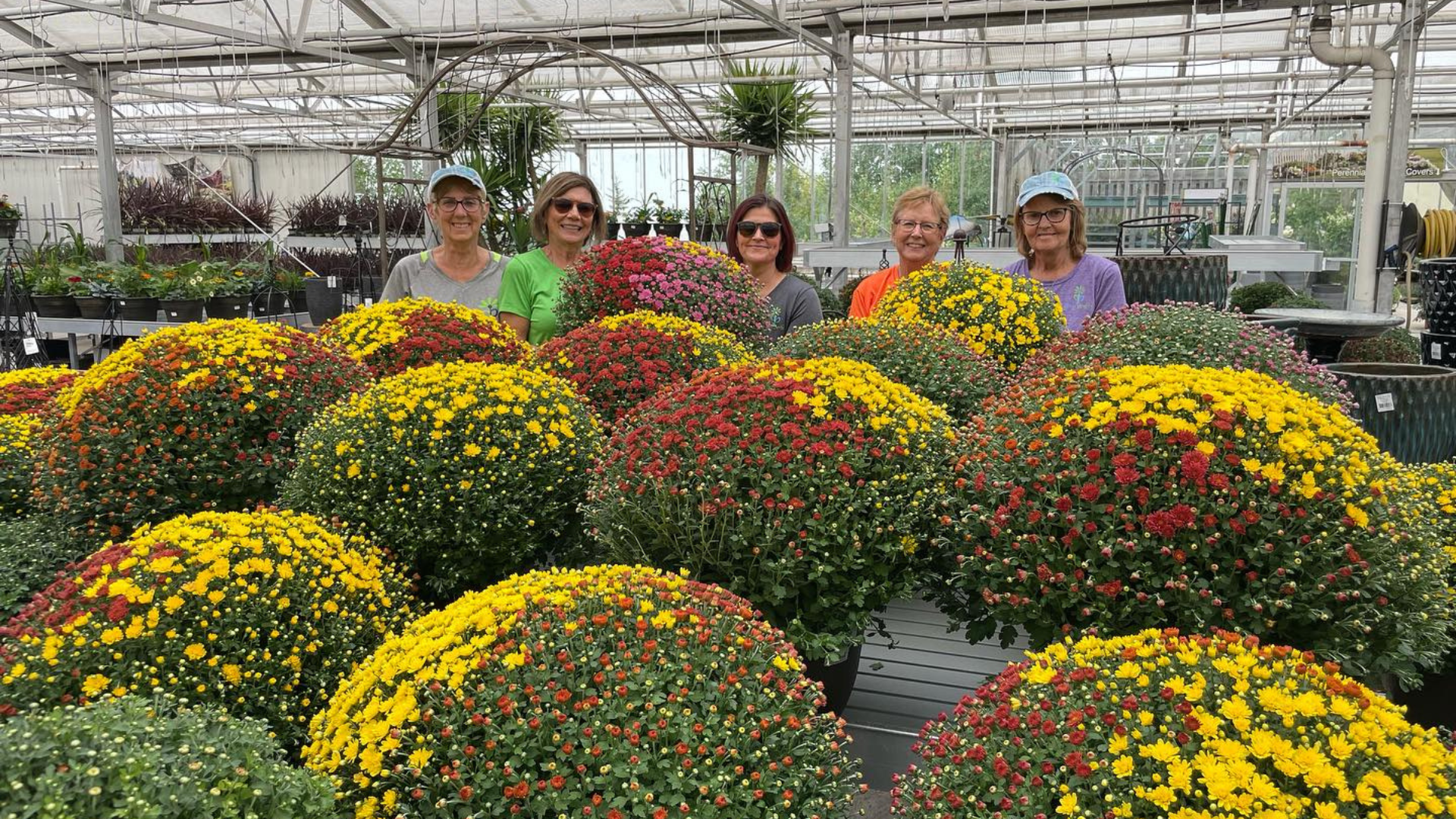
The arrival of fall brings with it a new color palette for your garden. Think warm oranges, deep reds, and earthy yellows, which can be beautifully complemented by the addition of fall annuals. Embrace the season’s splendor by introducing beloved fall annuals to your garden, such as chrysanthemums, ornamental kale, and pansies.
These autumn annuals not only infuse your garden with rich, warm colors but also offer an array of textures and forms, creating a dynamic and visually appealing landscape. Their resilience in the face of cooler temperatures ensures that your garden remains vibrant as the days grow shorter.
3. Plant Autumn Perennials
While annuals take center stage in the fall garden, perennials have their own unique charm. Asters, sedums, and ornamental grasses are among the perennials that can steal the show during autumn. If your garden doesn’t already boast these favorites, the fall season presents an ideal opportunity to plant new perennials, especially those that are known for their late-blooming tendencies and striking foliage.
These autumn perennials not only provide a stunning backdrop for your garden but also ensure that your outdoor space remains alive with color and texture long after the summer blooms have faded. Their hardiness makes them resilient against the changing weather, making them a valuable addition to any garden.
4. Fall Veggies in Bismarck
In Bismarck, North Dakota, the changing seasons also mean it’s time to consider your fall vegetable crops. While the prime window for planting typically opens in mid-summer, even at the beginning of September, there is still an opportunity to cultivate some cool-season vegetables. Fast-maturing greens like spinach, arugula, lettuce, and mustard are excellent choices, as are carrots, radishes, Swiss chard, and beets.
To extend your growing season and protect your plants from overnight frost, consider using sheets, tarps, cold frames, or row covers. These simple precautions can mean the difference between enjoying a bountiful fall harvest and bidding farewell to your garden too soon.

5. Bring Vacationing Houseplants Back Indoors
If you gave your tropical houseplants a summer holiday this year, September is the time to start preparing them for their return indoors. Just as they needed a gradual adjustment to the outdoors in the spring, they also need a slow transition back indoors in the fall. Start by moving your plants into the shade during the day and then a few hours inside at a time. Also, check for any insects—like aphids, spider mites, and scale—and remove them before bringing them back indoors.
6. Sow Cover Crops in Empty Beds
Any empty garden beds in your landscape are ideal candidates for fall cover crops. These cover crops serve as natural fertilizers, rejuvenating the soil by replenishing nutrients through nitrogen fixation. Additionally, they protect your soil from the harsh effects of sun exposure. When you sow cover crops in the fall, they begin to grow and add organic matter to the soil before the winter chill sets in. In the spring, any remaining seeds may sprout anew, providing additional coverage and nutrient enrichment.
Consider planting cover crops like fall rye, buckwheat, alfalfa, and clover to boost the health and fertility of your garden soil.
7. Plant Trees and Shrubs
The mild weather of autumn is ideal for transplanting trees and shrubs, since the cooler conditions give them a better time adjusting to their new conditions. Plus, planting in the autumn prepares them for a full season of uninterrupted growth next year. Remember to prepare your holes with compost, “mud them in” by adding water before you backfill, and talk to one of our experts for more planting tips and tricks!
8. Divide Perennials
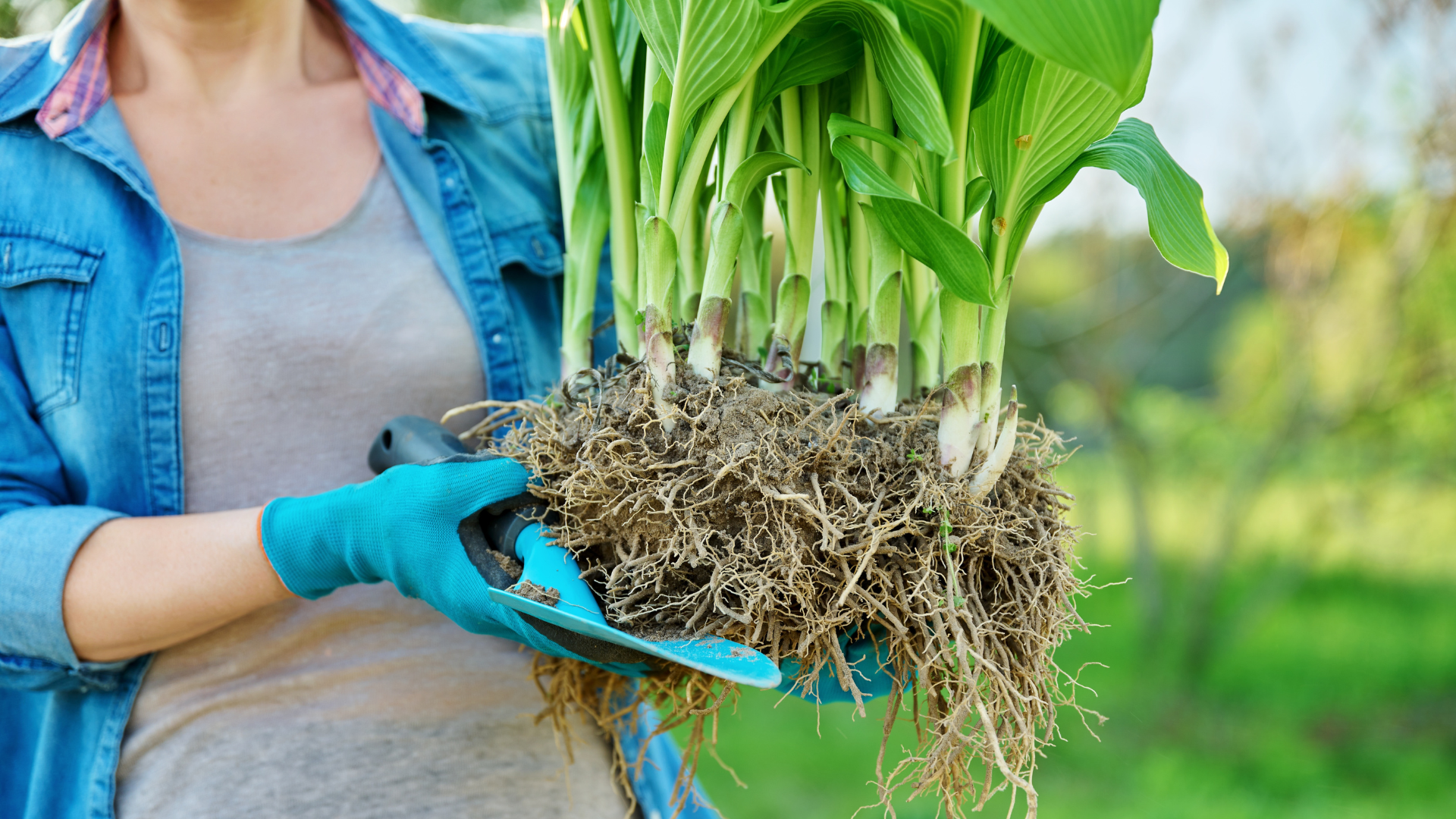
Autumn is one of the best times to divide and transplant perennials. Overcrowding, slower growth, and bare spots in the midst of perennial clusters are all indicators that it’s time for transplantation. Once your perennials have finished flowering for the year, carefully dig them up, gently separate their roots, and replant them in suitable locations. This rejuvenating process ensures that your perennials maintain their vigor and continue to thrive year after year.
9. Prepare For Frost
Frost can come as early as late September in Bismarck, so prepare for it by keeping sheets or tarps on hand and watching for frost warnings in the weather report. Make sure you transition your tropical houseplants inside before temperatures dip below 45ºF and cover any vulnerable veggies during frost to extend your growing season.
10. Harvest and Store Fall Vegetables
Amid the bustle of fall and the cooling temperatures, it’s easy to overlook the last garden chores. However, now is the ideal time to enjoy the fruits of your labor. Harvest fall apples, pluck any remaining tomatoes, gather and dry fresh herbs, and relish all that your garden has to offer during the abundance of autumn.
Your garden’s final yield is a testament to your dedication and care throughout the growing season. By savoring these final moments of the gardening year, you can fully appreciate the bountiful harvest that the fall season brings.
Commonly Asked Questions
“What Should I Add to My Garden In the Fall?”
Whenever you hear the words “fall garden,” you should think of fall annuals, like ornamental kale, chrysanthemums, pansies, sweet alyssum, and snapdragons. Autumn is also an ideal time to plant new trees, shrubs, and perennials. Perennials that stand out in the fall season include ornamental grasses, asters, sedums, Russian sage, sea holly, and salvia.
“How Late Can You Plant a Garden in North Dakota?”
The first frost date in Bismarck usually falls around September 25th. With this in mind, count back the number of required growing days to find out what you can plant. Vegetables that mature in 30 days can still be planted at the beginning of September as long as you’re prepared to cover them in case of overnight frost.
Just because the days are shortening doesn’t mean the gardening season is over. In fact, it’s far from it; for gardeners in North Dakota, September is a busy month when we can enjoy late-season beauty and bounty and prepare our garden for next season with new plantings. For more tips on fall gardening, don’t hesitate to visit our garden center in Bismarck, North Dakota!