
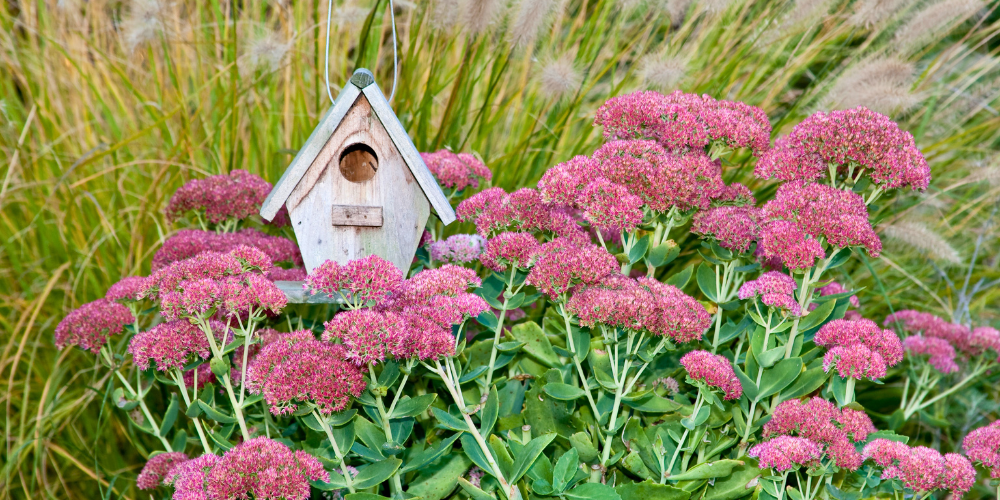
As the vibrant hues of summer begin to fade, and the crisp bite of autumn fills the air, it’s time to turn your attention to the beautiful tapestry of perennial plants that grace your garden. The changing of seasons signals the need for some essential care and maintenance to ensure that your perennials thrive in the coming year.
This article delves into the intricacies of fall perennial care, offering guidance on how to cut back, preserve, and rejuvenate your beloved plants. From the practical aspects of trimming unsightly growth to the art of division and propagation, we will explore these essential tasks that will keep your garden not only healthy but also a source of biodiversity and winter beauty.
Here are a few perennial care essentials you’ll want to take care of before the snow starts to blow into Bismarck:
Fall Tasks for Perennial Care
Here are a few perennial care essentials you’ll want to take care of before the snow starts to blow into Bismarck:
1. Cut Back Perennials
Cutting back perennials is a timeless autumn ritual, but it’s important to recognize that not all plants require the same level of attention. Some plants need a mid-Autumn trim more than others, particularly those that have become unsightly or are susceptible to fungi. Peonies, phlox, asters, and bee balm are prime candidates for this type of pruning. By identifying signs of powdery mildew or other infections on your perennials, you can pinpoint which ones need your attention.
This act of cutting back may seem like mere aesthetics, but it serves a deeper purpose. It protects vulnerable plants from disease over the winter and can save you time and effort when spring returns. However, it’s crucial to be patient and wait until the leaves have turned yellow before wielding your pruners. During this time, the green leaves are still actively absorbing energy from the sun and nourishing the plant’s roots, making it the ideal moment for a trim.
Pro Tip: Remember to wait until the leaves are yellow before you cut them back. Green leaves are still absorbing energy from the sun and feeding the plants’ roots.
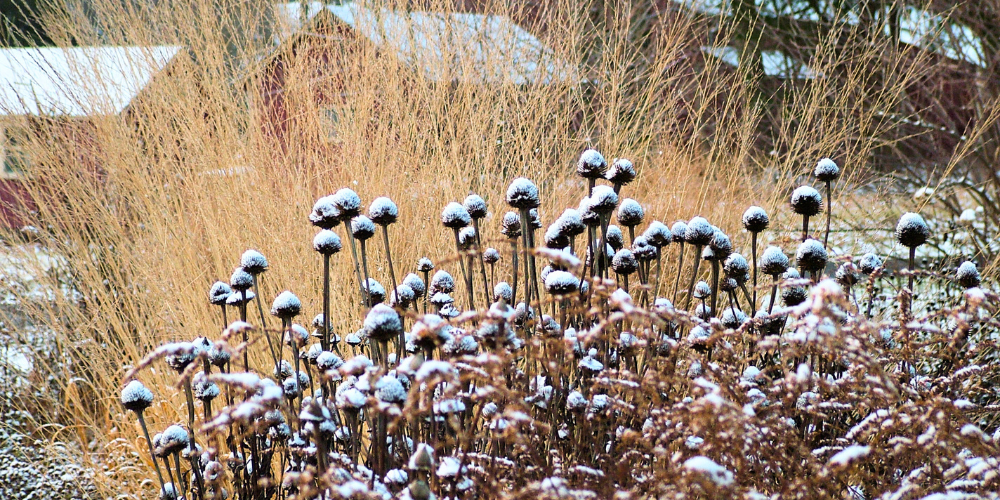
2. Leave Key Perennials for Biodiversity and Winter Beauty
While cutting back certain perennials is essential, it’s equally important to embrace the art of leaving some perennials untouched over the winter. These steadfast plants, capable of withstanding the chill and snow, offer more than just visual interest – they become vital contributors to biodiversity and providers of food and shelter for local wildlife. By letting plants like ornamental grass, coneflower, black-eyed Susans, sunflowers, tickseed, and sedums stand tall during the winter months, you create a welcoming haven for native insects and birds.
Many perennials can be left standing over the winter to create visual interest and provide habitat and food sources for native insect and bird populations. Any plant that is strong enough to remain standing through the snow can be safely left alone, including ornamental grass, coneflower, black-eyed Susans, sunflowers, tickseed, and sedums. These plants provide seeds and shelter for birds and burrowing places for hibernating insects.
3. Divide Perennials
Fall is a great time to divide perennials, as it both rejuvenates the plant and allows you to propagate and expand your garden. It also allows you to create new plants from the parent plant, which you can then either replant in a different area or share with neighbors, friends, or family members!
Why Should I Divide My Perennials?
Over time, perennials can become crowded, which can lead to weakened growth, fewer blooms, and increased vulnerability to pests. Dividing them alleviates this overcrowding and rejuvenates the root system, leading to lusher foliage, more abundant flowers, and a healthier overall appearance. If you’re starting to see bald spots in the center of your perennials or they’re getting a bit too close to their neighbors, it’s probably time to divide them.

How to Divide Perennials in the Fall
If things are getting a bit too cramped in your garden this fall, here’s how to safely go about dividing your perennials:
- Prepare Your Tools: Step one is to clean and sharpen your gardening tools. Some of the tools you’ll need to prepare include a sharp spade or garden fork, pruners or shears, and a bucket of water to keep the divisions moist.
- Dig Up the Plant: Carefully dig around the base of the perennial, creating a trench that goes deep enough to access the root system without damaging it. Gently lift the plant from the soil, ensuring you retain as much of the root ball as possible.
- Divide the Plant: Use your spade or garden fork to divide the plant into sections, making sure each section has healthy roots and a good portion of foliage. You can separate them into smaller clumps or individual plants, depending on your preferences and available space.
- Replant the Divisions: Before replanting, trim any damaged or overly long roots and cut back the foliage to reduce transplant shock. Then, plant your divisions in prepared holes in your garden, ensuring they are at the same depth as before. Finally, water your new plants thoroughly to settle the soil and reduce air pockets around the roots.
Hardy Perennials for Bismarck
North Dakota is no stranger to challenging weather; from our hot summers to frigid winters, both our local people and plants need to be able to resist the elements. Fortunately, many perennial varieties are well-adapted to our growing zone here in the great plains. Here are a few of our favorite hardy perennials that will make great additions to your Bismarck garden this fall:
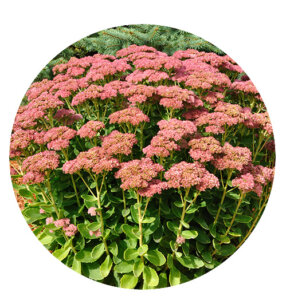
Sedum (Sedum spp.): Sedums, or stonecrops, are succulent perennials with fleshy leaves and star-shaped flowers. Varieties like ‘Autumn Joy’ are well-suited for Bismarck due to their drought tolerance and ability to withstand cold winters.
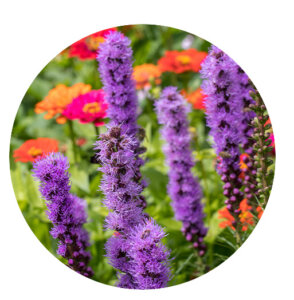
Liatris (Liatris spp.): Liatris, also known as blazing star, produces tall spikes of vibrant purple or white flowers. These perennials are native to North America and thrive in our prairie climate.

Yarrow (Achillea millefolium): Yarrow is a hardy, low-maintenance perennial with fern-like foliage and flat-topped flower clusters in various colors. It’s drought-tolerant, attracts beneficial pollinators, and exudes a beautiful fragrance, making it a must-have for any North Dakota landscape.
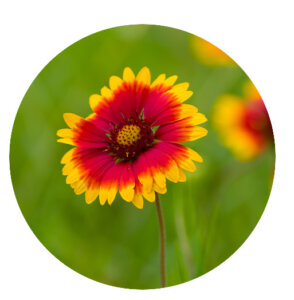
Blanket Flower (Gaillardia spp.): Blanket flowers are known for their striking, daisy-like blooms in shades of red, orange, and yellow. They’re also a favorite of butterflies and bees, and are another native perennial of North Dakota.
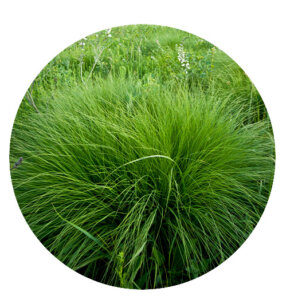
Prairie Dropseed (Sporobolus heterolepis): This native grass is an excellent choice for Bismarck gardens, as it’s drought-tolerant, can withstand our harsh winters, and provides fine-textured foliage and a delicate, airy appearance to your landscape.
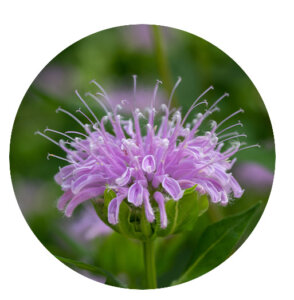
Bee Balm (Monarda spp.): Bee balm, or wild bergamot, produces colorful, fragrant flowers that attract pollinators. It’s hardy to both our summers and winters, and the leaves can soothe bee stings and make a delicious oregano/mint-flavored tea.
In Conclusion: Nurturing Your Bismarck Garden
Fall presents a unique opportunity to prepare your perennials for the impending winter while setting the stage for their revitalization in the spring. By following these essential fall perennial care tips, you’ll ensure that your garden remains vibrant, thriving, and an invaluable source of biodiversity.
If you’re looking for further guidance on fall perennial care, or if you’re seeking the perfect hardy perennials to enhance your Bismarck garden, don’t hesitate to visit our independent garden center in Bismarck, ND. We’re here to help you create a garden that not only withstands the challenges of the local climate but also flourishes in its unique beauty. Your garden is not just a patch of land; it’s a living work of art, and with the right care and attention, it can become a breathtaking masterpiece in all seasons.
Fall provides the perfect opportunity to prepare your perennials for the winter and rejuvenate them for next spring. For more tips on fall perennial care and division, don’t hesitate to visit our independent garden center in Bismarck, ND!