Winter is a lean time for birds. Many of us opt to help the winter birds by feeding them with birdseed, and this is quite the effective invitation for them to come to your yard if you’re craving their company. But there’s another fantastic way to attract winter birds that we sometimes overlook: plant trees, shrubs, and grasses that will provide them with a winter meal. Not only do these plants feed birds in the winter, but they provide food and shelter for bees and other important critters while beautifying your yard. Some of them require more effort than others, but in the long run, they’re well worth it. Here’s what you can plant to attract birds in winter:

Crabapples
With their long-lasting fruit, Crabapple trees are an excellent source of food for birds in the winter. Cardinals, cedar waxwings, and robins are especially drawn to crabapples.
Like most apple trees, it’s best to plant at least two crabapples so they can cross-pollinate. After you plant them, it can take anywhere from two to five years before they start bearing fruit.
Providing a winter food source for birds is just one of their benefits. In the spring, they’re covered with flowers that attract bees, and in the fall, the leaves of some varieties turn a beautiful, bright shade of red. They’re truly a tree for every season.
There’s a stunning number of varieties—over 900, by some counts—and the fruit of different varieties will ripen and soften at different times. To feed birds with crabapples over the winter, choose any of the following varieties that soften within the season:
- Red Splendor
- Royalty
- Prairiefire
- Pink Spire
- Thunderchild
- Snowdrift
It’s also important to note that birds refuse to eat the crabapples from some varieties. Avoid these ones:
- Adams
- Donald Wyman
- Firebird
- Red Jewel
Like most apple trees, it’s best to plant at least two crabapples so they can cross-pollinate. After you plant them, it can take anywhere from two to five years before they start bearing fruit. But it’s worth the wait. A mature crabapple is a sprawling, gorgeous centerpiece that also provides shelter for birds and lives for 30 to 70 years.
Bluestem Grass
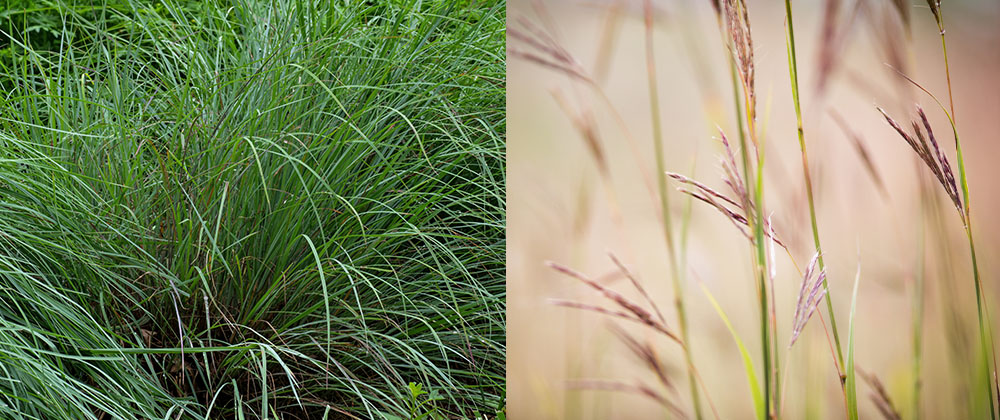
If you’d like a plant that can start feeding birds faster, a good choice is bluestem grass. You can plant both little bluestem and big bluestem in the spring, and by fall they will be ready to feed the birds.
Bluestem grass is native to North Dakota, along with much of North America, and is known for its blue-green blades; delicate, reddish seed heads; and solid, flat stems, all of which make it an attractive ornamental grass. It’s a perennial that grows in clumps, and it’s recognized as a good food source not just for birds but also deer, voles, and even livestock. The little bluestem is also a larval host for skipper butterflies.
Unlike the other animals, what the birds will focus on is the seeds, of course. So in the fall, resist the urge to collect or clear away the seed heads. Let the winter birds do that for you!
Hawthorn
Like the crabapple, the hawthorn tree will dazzle you with flowers. Depending on the variety, you can get white, pink, or red flowers in the spring along with leaves that turn orange, red, or even purplish in the fall. But most importantly, hawthorn trees produce glossy red berries that stay on the tree well into winter and are a favorite of many birds.
As with crabapple, the hawthorn will require several years to mature and get to the point where it bears fruit. Just how long depends on the variety and growing conditions. But unlike the crabapple, it doesn’t require cross-pollination with another of its kind, so you can plant a single stand-alone hawthorn if that’s what you prefer. Lastly, beware of its sizable thorns—it’s from the rose family.
Other Plants That Will Attract Birds to Your Yard in Winter
- Mountain Ash: Mountain ash will add some winter color to your yard with its orange-red berries beloved by cedar waxwings and many other birds. The berries will survive until late winter unless the birds take care of them before that.
- Winterberry: Winterberry offers red or orange berries that could last all the way to spring if the birds don’t eat them first.
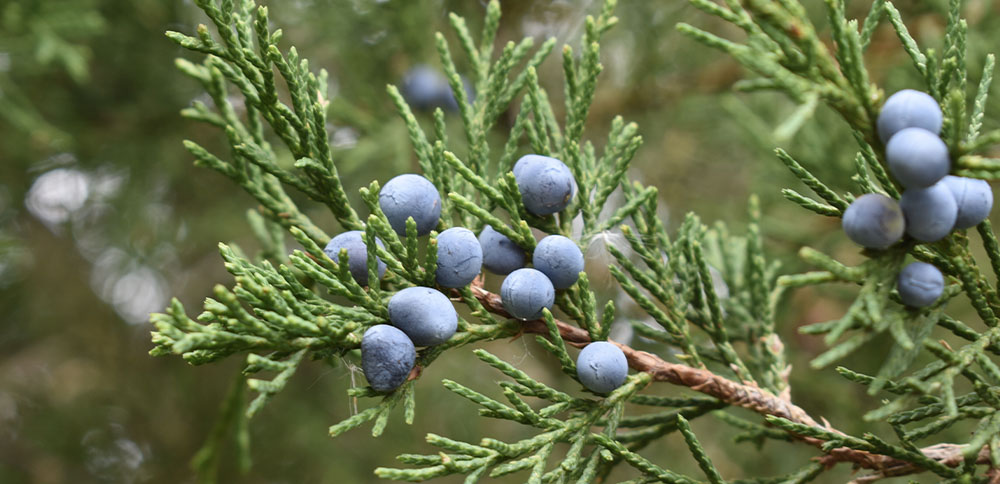
- Juniper: Juniper berries are known for flavoring gin, but they’re also a food source for winter birds. The juniper itself is a hardy evergreen that will imbue your winter yard with much-needed greenery.
- Barberry: A low-maintenance, deciduous shrub, the barberry puts on a fall show of red, orange, yellow, and purple leaves. Once the leaves drop, its red berries remain for birds to feast on throughout the winter.
How Else Do You Attract Birds in the Winter?
Now that we’ve given you some tips on what to plant and nurture to provide food for winter birds over the long-term, here are two things you can do in the short-term so your yard can be full of merry birds this winter:
- Birdseed and bird feeder. You can’t go wrong with this classic method. If you’re not sure where to start, black oil sunflower seeds appeal to most species. If you want to attract a particular type of bird, check into what kind of feeder works best for them.
- Water source. Birds still need water in the winter, and they’ll be grateful if you provide it! Try offering a birdbath with a heating option, and change it often, so it stays clean.
If you’re ready to plan your long game for attracting winter birds with plants that provide food for them, get in touch with our Garden Center! We’re always here for advice and help.