

The stunning, notable beauty of the fiddle leaf fig has made it one of the most popular houseplants around. And, while it is true that it makes for an absolutely fantastic statement piece in any home, the fiddle leaf fig, also known as the Ficus lyrata is also well known for being a little hard to care for. But its deep green, violin-shaped leaves and ability to bring a dramatic elegance to any space it graces make it well worth the challenge for most houseplant-lovers. Here are some tips and tricks that will help keep your fiddle leaf fig as happy as can be.

Do Fiddle Leaf Figs Need A Lot of Light?
Remember the story of Goldilocks? How the porridge couldn’t be too hot or too cold but had to be just right? That’s kind of how your fiddle leaf fig feels about sunlight! While it definitely doesn’t care for shade (in other words, it’s probably not going to do great in a basement apartment), a fiddle leaf fig’s leaves can also be scorched by direct sunlight. The best spot to place your fiddle leaf fig is in a bright, sunny room with either south or west exposure.
Your fiddle leaf fig will be quick to let you know that it is not getting enough light by dropping leaves without much warning. Once you find that sweet spot of ‘just right’ when it comes to light, take care to leave your fiddle leaf fig where it is, as they tend to thrive best with consistency once they’re comfortable. But, with that said, if it is only getting sunshine on one side of the plant (like if it’s up against a wall), then turn it slightly once a month to keep it from leaning or reaching.
1. Native Habitat Insights:
To comprehend the light needs of fiddle leaf figs, it’s beneficial to consider their native habitat. In the wild, these plants thrive beneath the towering canopy of tropical forests, receiving filtered or dappled sunlight. Mimicking these conditions can guide your approach to indoor care.
2. Bright, Indirect Light:
Fiddle leaf figs flourish in bright, indirect light. Place them near a window with sheer curtains or at a distance from south or west-facing windows to shield them from intense, direct sunlight. This replicates the gentle, filtered light they would receive beneath the forest canopy.
3. Avoid Harsh Sun Exposure:
While fiddle leaf figs crave light, they are not fond of harsh, direct sunlight. Prolonged exposure to intense sunlight, especially during the hottest part of the day, can scorch their leaves and lead to unsightly brown spots. Shield them from the midday sun to maintain their lush, green appearance.
4. Adaptable to Moderate Light:
Fiddle leaf figs showcase a degree of adaptability to lower light conditions, making them suitable for spaces with moderate light levels. However, their growth may slow, and they might become leggy if consistently deprived of ample light. Aim for a balance to ensure optimal growth and vitality.
5. Rotational Sun Exposure:
If possible, periodically rotate your fiddle leaf fig to expose different sides of the plant to light. This promotes even growth and prevents the plant from leaning towards a single light source. A quarter-turn every few weeks can make a significant difference in maintaining a well-shaped, balanced plant.
6. Monitoring Leaf Color:
The color of your fiddle leaf fig’s leaves can provide insights into its light requirements. Vibrant, deep green leaves indicate a happy and healthy plant. If the leaves appear pale or yellow, it may be a sign of too much light, while dark green leaves in low light may suggest the need for increased illumination.
7. Artificial Light Considerations:
In spaces with limited natural light, supplementing with artificial light can be beneficial. LED grow lights designed for houseplants can provide the necessary spectrum for fiddle leaf figs. Position the lights above the plant and adjust the duration to simulate natural daylight conditions.
8. Seasonal Adjustments:
Consider seasonal variations in light levels. During the darker winter months, you might need to reposition your fiddle leaf fig to ensure it receives sufficient light. Conversely, in the bright summer months, be vigilant about protecting it from intense sunlight.
Watering Your Fiddle Leaf Fig
The amount of water you give your fiddle leaf fig should directly correlate with the amount of light it is getting. But, there is one rule with these fussy beauties—they do not, under any circumstances, like having wet feet. It is best to wait until your fiddle leaf fig’s soil is dry to the touch before you water it. When you do, water it well enough that excess water eventually drains through the pot or container, then empty the drip tray when you’re done to avoid root rot.
Fiddle Leaf Fig Care: How to Avoid These Common Problems
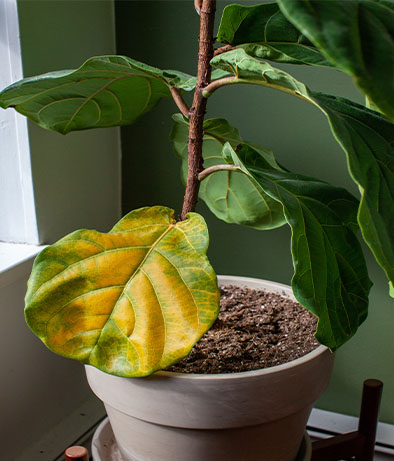
Dropping Leaves
If the leaves turned yellow or brown before dropping, the cause was likely due to overwatering. But, if those beautiful, shiny green leaves fell off without any other warning signs, it may be due to extreme temperatures or drafts. Such as its light requirements, fiddle leaf figs need the temperature where they live to be exactly to their liking!
Too much hot air or cool drafts from air conditioning or doors opening and closing nearby will cause it to drop leaves. So, take extra care to select a spot with consistent temperature and lots of bright, indirect sunlight when choosing a spot for your fiddle leaf fig.
Discolored Leaves
Yellow or brown leaves are one of the most common problems with fiddle leaf figs, most often due to overwatering. As mentioned, fiddle leaf figs do not like wet feet. Avoid waterlogged soil and ensure that the pot you are keeping your prized houseplant in has adequate drainage.
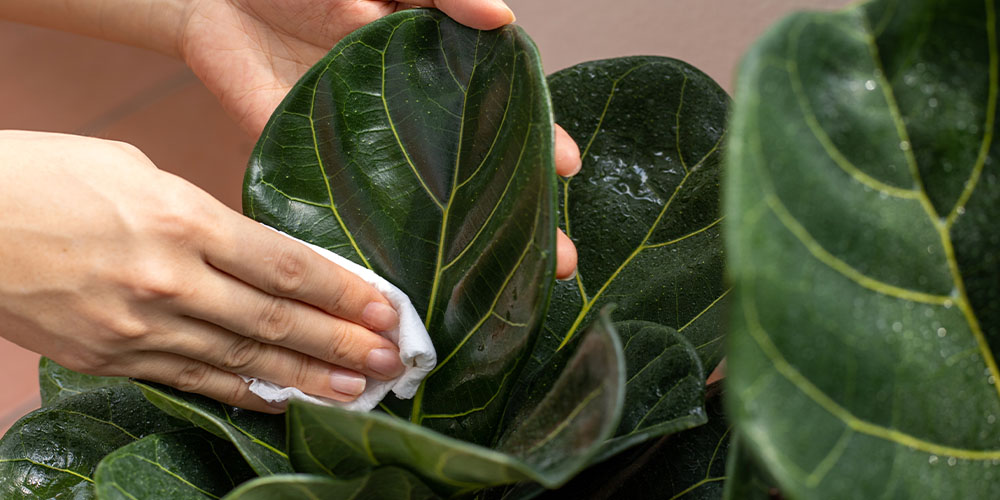
Pests
If you have noticed signs of bugs on your fiddle leaf fig, such as webbing, tiny holes, or you can see the bugs on them, ensure you treat the issue as quickly as possible. Houseplant pests can generally be managed easily with natural treatments like neem oil or insecticidal soap, or even sometimes simply by rinsing them off with water and carefully wiping the leaves down. Whichever treatment you choose, be sure to do it consistently (according to package instructions if you opt for a pesticide) for a couple of weeks to make sure you actually get rid of those little buggers before they do any more damage.
If you still have questions about fiddle leaf fig care in Bismarck, stop by Plant Perfect to talk to one of our experts. They’d be happy to help offer personalized advice on how to best care for these beautiful houseplants!