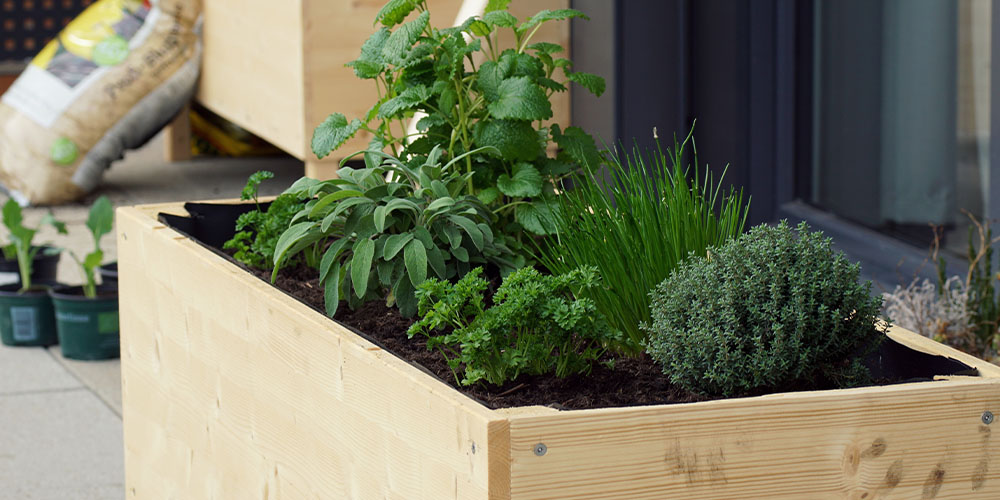
A raised herb garden is popular for its aesthetic and functionality, as you can place it on a wooden elevated table or bench that won’t break your back! Building a raised herb garden comes with various benefits, including growing new fresh herbs to cook with in a convenient access area that adds charm to your landscape. Plus, who doesn’t love home-grown, organic herbs that don’t break the bank? In this article, you will learn which herbs coexist in containers to place in your lovely herb garden with pollinator-friendly tips.
Why Build a Raised Herb Container Garden
There are plenty of reasons to consider building a raised herb container garden. Placing a raised bench or table full of potted herbs beside the barbeque is the perfect aesthetic touch to your patio that will save your back when you need more fresh herbs for cooking! The advantages of having a raised herb garden are accessibility and aesthetics, whether you cultivate your herb garden indoors or outside.
Outdoor raised herb garden beds are less likely to have weeds since they’re elevated, though the wind may still drop some seeds in there! If you have to do weeding, it’ll be easier with a raised container. Be sure to watch your container for water; containers tend to dry out faster than the ground.

Herbs for Containers
When choosing which plants you’ll put in your containers, it’s important to consider which herbs play nicely together. A plant that grows quickly will overwhelm a plant that grows slowly, and if you have two plants with different water requirements, no one will be happy. You may want to give rampant growers their own pot so that they don’t overwhelm the rest of your container, including mint and bee balm. Some of the best combinations of herbs for a raised herb garden are the following:
- Sage and Lavender
- Basil and Parsley
- Cilantro and Tarragon
- Lemon Thyme and Lemon Verbena
- Rosemary and Thyme
- Sage and Oregano
We recommend pinching off any flowers on your plants as soon as they appear. If you let them flower, they will steal important nutrients from the leaves, and your plant might not be so tasty anymore!
Indoor Herb Garden Tips
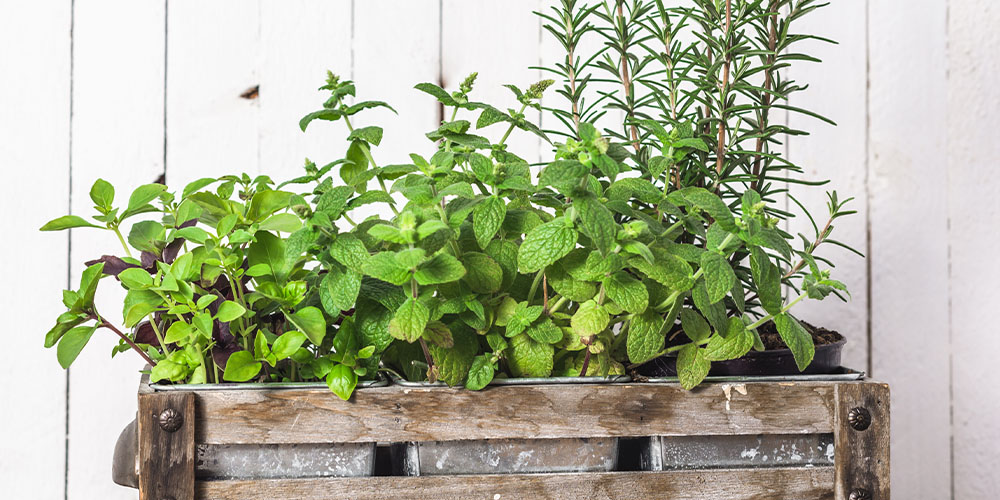
The first thing you’ll need for your indoor raised herb garden is a place to keep them! Indoor herbs need direct sunlight, so placing them beside a south-facing windowsill is ideal. Herbs grown indoors require misting once a week and a humid environment to thrive. To prevent mildew, you can place a fan in your raised herb garden room to sustain its moisture without spreading diseases. The breeze will mimic the outdoor wind and keep your plants from getting leggy.
Be sure to plant mint alone and don’t mix it along with other kinds of mint. Cross-pollination between varieties can occur, and the results are less than desirable!
Pollinator Friendly Tips for Outdoor Herb Gardens
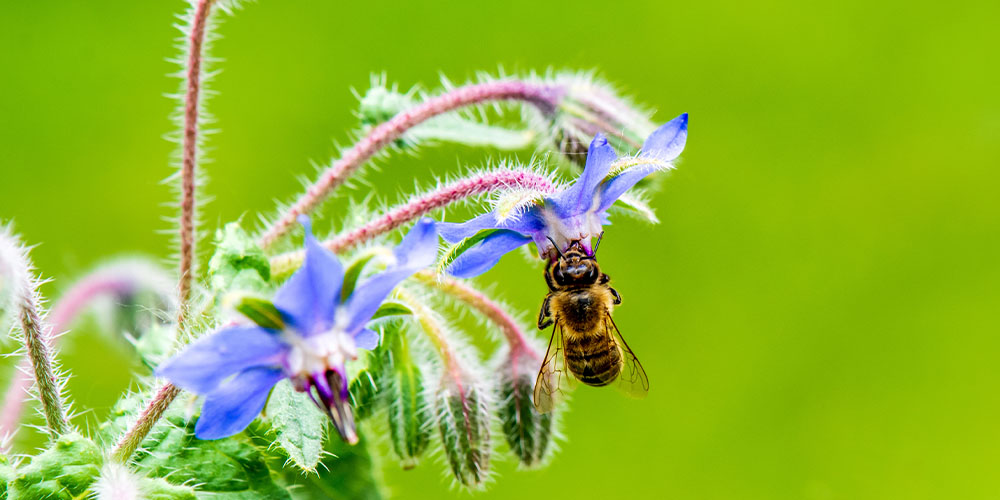
Every garden benefits from pollinators, and your herbs are no different. Mixing an array of flowers into your outdoor herb garden will help promote pollinators and keep your little ecosystem thriving. Blue, purple, and yellow flowers are the most appealing to bees, so try to include them in your outdoor garden beds.
Pollinators have different preferences for flower shape (bowl-shaped, flat-topped, tubular, etc.) and color, so ensure your raised garden beds have a mixture of both. It’s essential not to use pesticide solutions, as the chemicals can deter pollinator-friendly wildlife such as butterflies away from your garden.
Visit Plant Perfect Garden Center to find your ideal raised herb garden in Bismarck and fill it with your favorite herbs and flowers! Contact us or visit the garden center if you have any questions, as we are happy to help ensure your garden grows to its full potential.