More and more of us are becoming increasingly conscious about what we put into our bodies and where it comes from as the years go by. The amount of sodium in foods is a big concern for many, but cooking with herbs is a wonderful way to consume less salt while still packing a big punch of flavor into every meal you make. And, by starting your own indoor herb garden, you’ll save a ton of money and know exactly where they came from when you bite into that next meal—all you need is a sunny kitchen window sill. Here we dive into how to grow your own herb garden from seed versus starter, how to keep them thriving, and some wonderful ways to integrate them into mealtime. Let’s get started!

Which Herbs Grow Fastest Indoors?
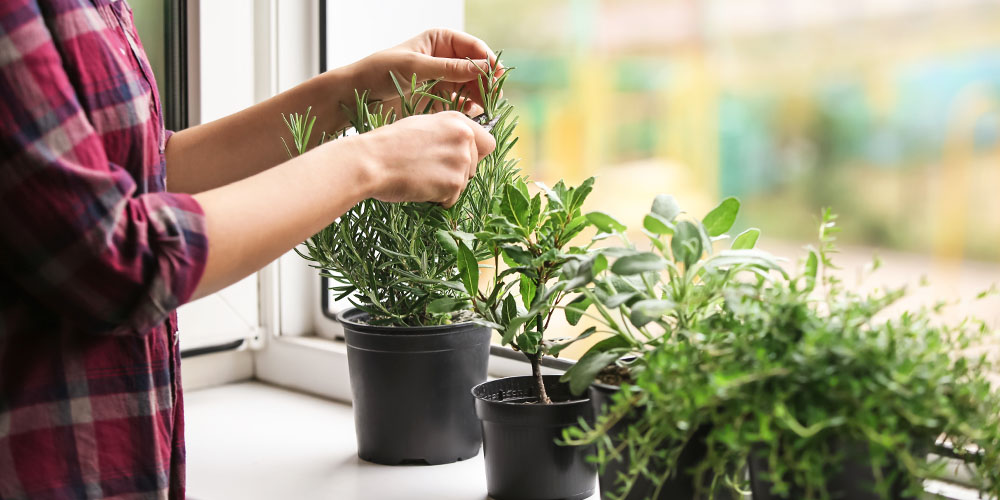
There are, in fact, some herbs that generally grow better indoors than others. Some are also easier to start from seed than others. Oregano, rosemary, sage, thyme, mint, parsley, and chives are all straightforward herbs to start in your indoor garden! Despite seeming a little fragile, herbs are actually quite hardy plants, and you don’t need much to get your indoor herb garden started.
What Do I Need In My Indoor Herb Garden Kit?
The first thing you’ll need for your indoor herb garden is a place to keep them! Don’t despair if you don’t happen to have a south-facing window that will give your herbs at least four to six hours of sunlight a day. You can pick up a relatively inexpensive countertop herb garden kit that will include planting trays and grow lights. Aside from that, you will need containers, potting soil, and your seeds!
How to Plant Your Herb Garden
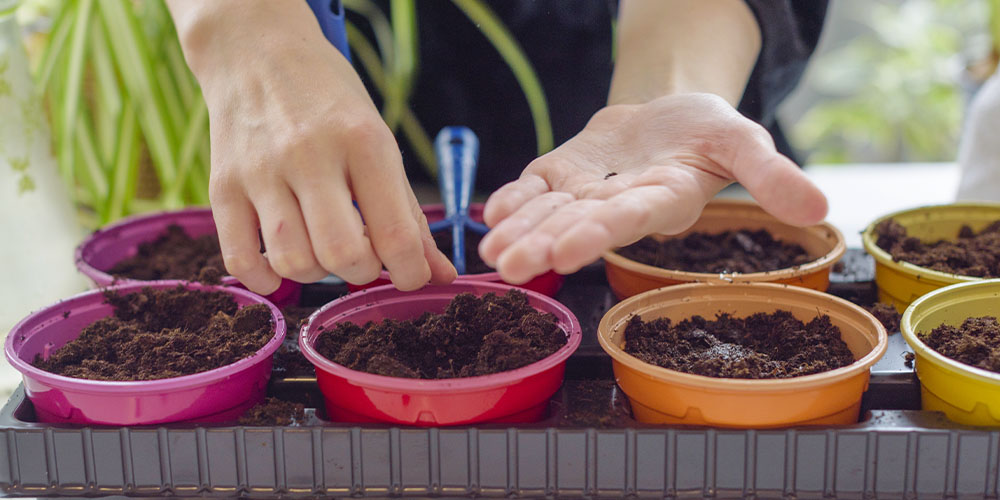
If you are planting your indoor garden from seed, the needs are similar to planting outdoors. Ensure that your seeds are planted at an appropriate depth and appropriately spaced if you are growing them all in one container. If you are growing them in their own containers, spacing is not an issue.
Herbs to Avoid Growing From Seed
Some herbs are better left to the experts to start, for varying reasons. Bay, for example, is said to be quite difficult to germinate, and they grow really, really slowly. Lavender, often grown for fragrant or medicinal purposes, is another challenging herb to start from seed. It also has a very slow growth from seed and is a little touchy with its moisture needs, so it can be challenging to keep healthy. Rosemary is another herb we would recommend steering clear of growing from seed unless you are an expert herb gardener!
Caring For & Cooking With Your Indoor Herb Garden
Indoor herb gardening is relatively simple, but there are a few key points to keep in mind as you get started. Different herbs have different needs; they don’t all like hot, dry conditions, as some assume. Herbs like sage, basil, and rosemary enjoy those hot, dry conditions, but others like parsley and dill prefer cooler temps and moist soil. Their light requirements will vary slightly as well. Thyme, basil, oregano, and sage will require a little more light than, say, mint or parsley.
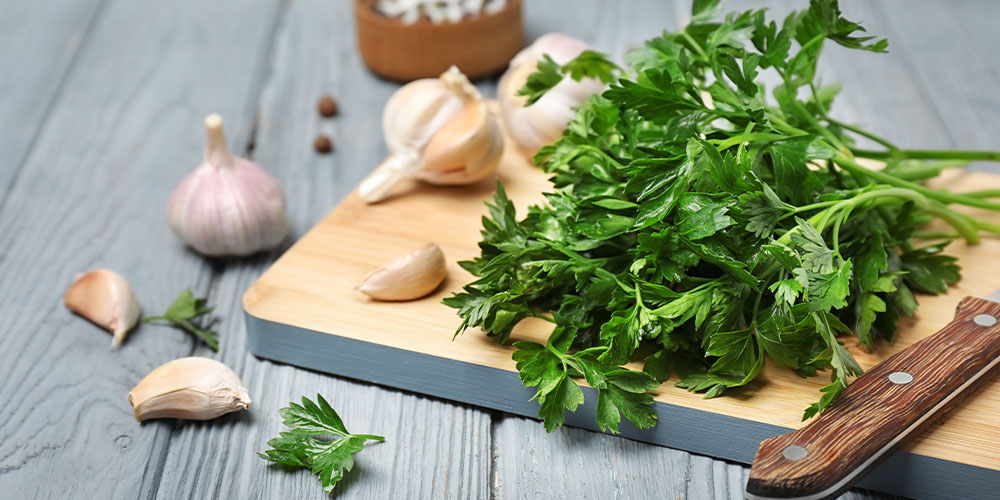
Cooking with herbs is so much fun! Basil, for example, is very popular in Mediterranean dishes and goes great in pesto, pasta sauces, and pizzas. Dill is amazing in salads, dressings, sauces, and vegetable and meat dishes. Oregano makes for a beautiful addition to vinaigrettes and marinades – the list goes on and on!
If you’re ready to get your very own indoor herb garden started, come to Plant Perfect, and we will set you up with everything you need! We can offer tips and tricks on how to make your indoor herb garden a success and get you stocked up on containers, seeds, starter plants, and more.