

Proper pruning is vital to the continued health of your landscape plants, but many beginners find it intimidating. It is completely understandable why you may be reluctant to remove healthy material from your plants, but pruning at the right time and for the right reasons will serve them well for years to come. Here’s a quick guide to pruning basics for the fall season and beyond!
Pruning Basics
Most trees and shrubs can benefit from an annual or bi-annual pruning. Pruning is vital for newly planted shrubs and trees. Early shaping sets these plants up for healthy, strong growth for the rest of their lifespan. As your plants mature, regular cleanups will keep them looking their best, and prevent them from expending energy on limbs that compromise their form and health.
The most crucial need-to-knows for pruning beginners are:
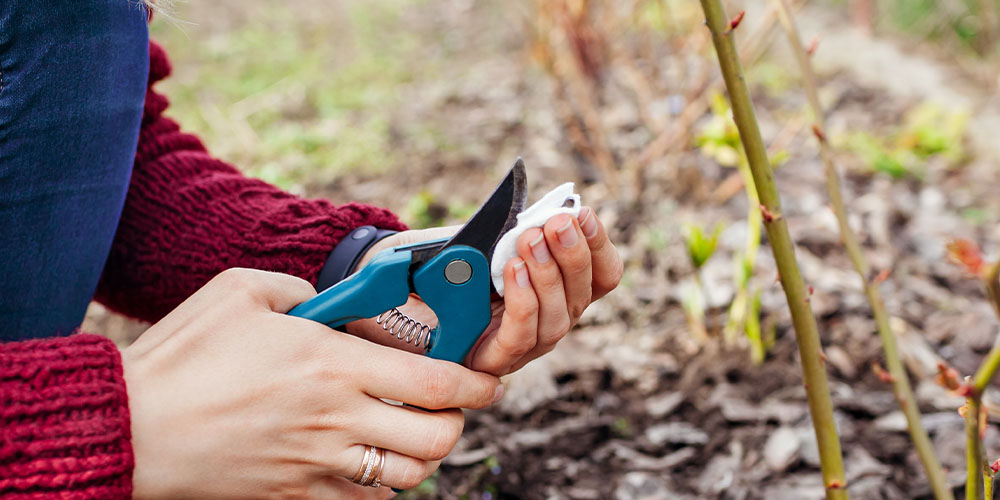
- Always use clean tools! Pruning has a lot of potential to spread pathogens around. Wiping your blades with isopropyl alcohol before each cut is a great way to combat disease.
- Trim at the nearest node; this is the junction between a branch and its offshoot, below the area you want to remove.
- Cut at a 45º angle against the direction of new growth, which channels water away from delicate buds.
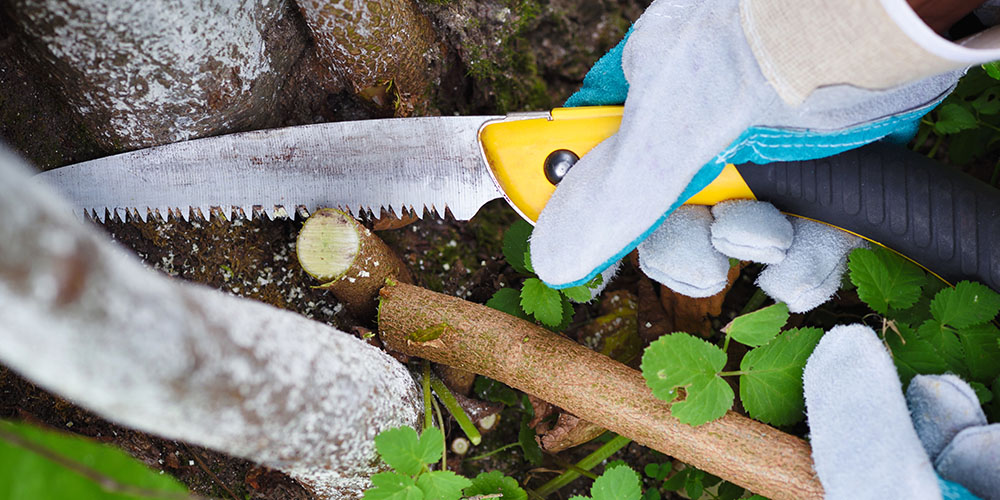
- Use appropriate tools for the width of the branch you plan to cut. Handheld pruning shears are ideal for small twigs, loppers are great for branches up to 2 ½ inches in diameter, and pruning saws can handle larger branches up to 5 inches in diameter.
- Focus on the three D’s: damaged, dead, and diseased. material fitting this description should be pruned off first!
- Isolate problem growth. Once the yucky stuff is cleared away, focus on thinning out crowded areas and removing suckers, as well as branches growing toward the ground, parallel to each other, or crossing over.
- Avoid removing more than a third of the plant or cutting into branch collars. These can be difficult for the plant to recover from.
- Don’t prune too early. After two to three years of establishment, you should prune young trees to just one or two main “leader” trunks.
- Mildew prevention starts with proper shrub pruning. Young shrubs should be evenly thinned by ⅓ to promote healthy airflow as the plant grows.

Which Plants Need Pruning in Fall
Not every landscape plant will need pruning this season! For this reason, you should have your fall plant pruning priorities focused on:
- Trees. Prune trees as needed, keeping in mind that trees planted within the past two years are likely too new to need pruning unless they appear damaged. Shade trees, such as elm, ash, and linden, are best suited to late fall or winter pruning, as harmful pathogens are less active during this time.
- Some shrub roses. Since we can pretty much count on heavy snow here in Bismarck, you may be better off pruning back rose shrubs in late fall when they go dormant than risking snapped branches in the winter. However, you can also prune roses in early spring.
- Perennials prone to slugs. After the first fall frost, cut down slug-proof perennials to the ground. This includes hostas, lupines, and delphiniums.

Which Plants Don’t Need Pruning
Fall isn’t the right time to prune everything. Most other plants in your landscape are better pruned in late winter to early spring or in late summer immediately after flowering. Plants to prune after flowering include:
- Azaleas and rhododendrons
- Chokeberry
- Chokecherry
- Flowering plum
- Flowering cherry
- Forsythia
- Lilac
- Spirea
- Hydrangea varieties that bloom on old wood
Most other shrubs and trees, including those that flower on new wood, are better candidates for late winter pruning, as it allows you to shape the dormant plant before it begins its period of rapid growth.

What Is Rejuvenation Pruning?
Rejuvenation pruning, or “hard pruning,” is the technique of removing much more than the normally-recommended one-third of plant material to correct an issue with the plant’s growth drastically. Shrubs tend to be more amenable to this technique, and some more than others.
Hard pruning should be completed after the plant flowers to allow plenty of time for fresh new growth. Plants that are suitable candidates for hard pruning include:
- Dogwoods
- Lilac
- Spirea
- Forsythia
- Hydrangea
- Honeysuckle
- Weigela
Fall may not be the busiest season for pruning your plants, but it’s an excellent opportunity to work on your technique and take note of which ones to revisit as the snow starts to melt. For more tips and tools for pruning in Bismarck, visit us at Plant Perfect Garden Center today!