
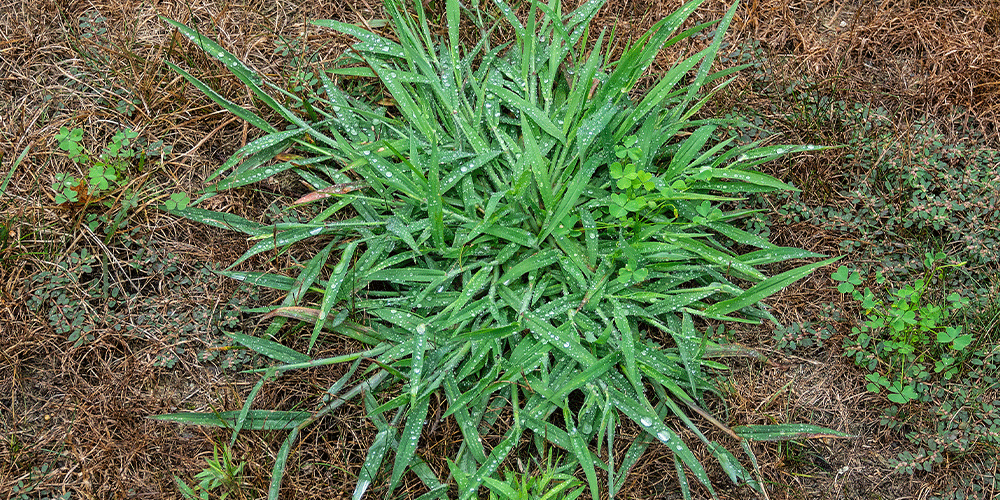
When crabgrass rears its ugly head, you’ll want to know what to do to salvage your landscape. Let’s discuss the basics of identifying crabgrass in your yard, along with removal procedures to bring your lawn back to life!

What Is Crabgrass?
Crabgrass is an annual weed that lives, germinates, and dies all in one year. It appears as a rough green mass of pointy blades that spread out like a crab’s legs (hence the name). You’ll notice this hot-and-dry-weather-loving weed fairly soon, as it tends to stick out like a sore thumb in your garden. To send the ugly crabgrass packing from your backyard, we’ve outlined a few removal best practices.
Crabgrass Removal Techniques
When the ground freezes, crabgrass will likely die on its own. But you likely don’t want it sticking around all summer, which is why we’re here to help you remove it!
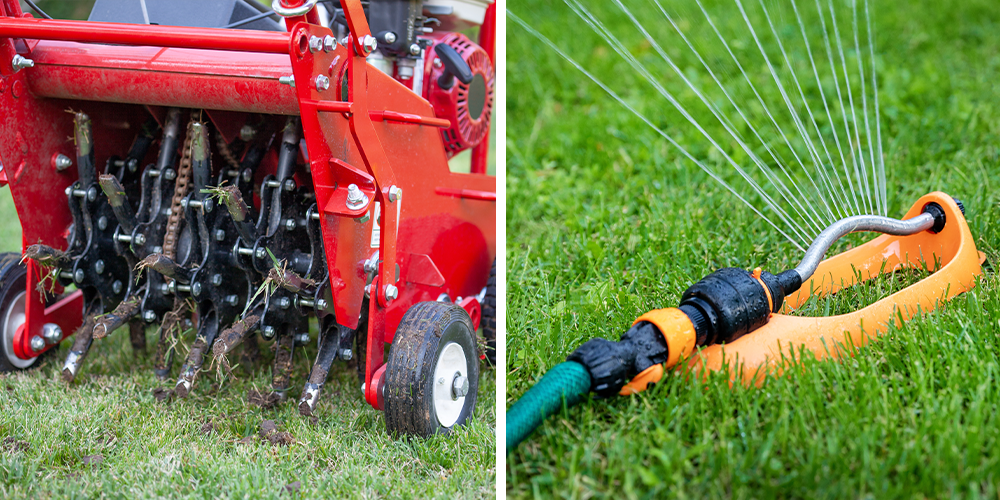
1. Practice Good Lawn Care
The best way to keep crabgrass out of your garden is by not allowing it the opportunity to appear in the first place! You can keep crabgrass at bay by practicing a proper lawn care routine. This involves watering deeply and less frequently, monitoring bare spots, mowing high, fertilizing, and aerating. A little effort goes a long way!
2. Apply a Pre-Emergent Herbicide
Pre-emergent herbicides, like corn gluten, work to prevent weed seeds from germinating. They work on many types of weeds but are especially popular for crabgrass removal. After appearing, crabgrass spreads like wildfire and returns year after year because it distributes thousands of seeds before dying in the fall, ready for germination the following spring. A pre-emergent herbicide, however, creates a barrier in the top layer of soil that prevents seeds from growing roots and shoots. The only catch? Pre-emergents need to be applied in the early spring before lawn weeds begin to grow. While it’s too late in the season to apply these now, you can use this information to break the cycle next year and finally say goodbye to this bothersome weed!
3. Mow High
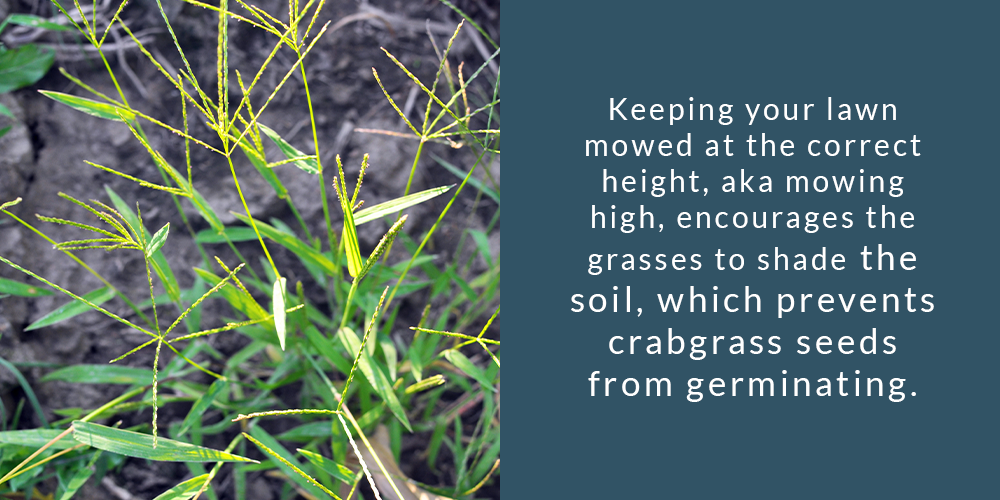
Mowing high is such an excellent way to prevent crabgrass. Keeping your lawn mowed to a slightly taller height encourages the grass to shade the soil, which prevents crabgrass seeds from germinating. Longer blades are also beneficial because they can grow and support more roots and build deeper root systems that are better at finding water and nutrients in your soil. If you have a lawn mower, you probably have a setting for this that will allow you to maintain a lush, bushy lawn!
4. Repair Damaged Areas
Part of keeping a beautiful lawn is knowing how to repair what’s broken, and crabgrass removal is one of these scenarios. Applying grass seed to bare or previously crabgrass-attacked areas of your lawn can rebuild your turf and crowd out the weeds. Pick up some grass seeds from your local garden center and plant them in bare spots, watering deeply and often as needed.
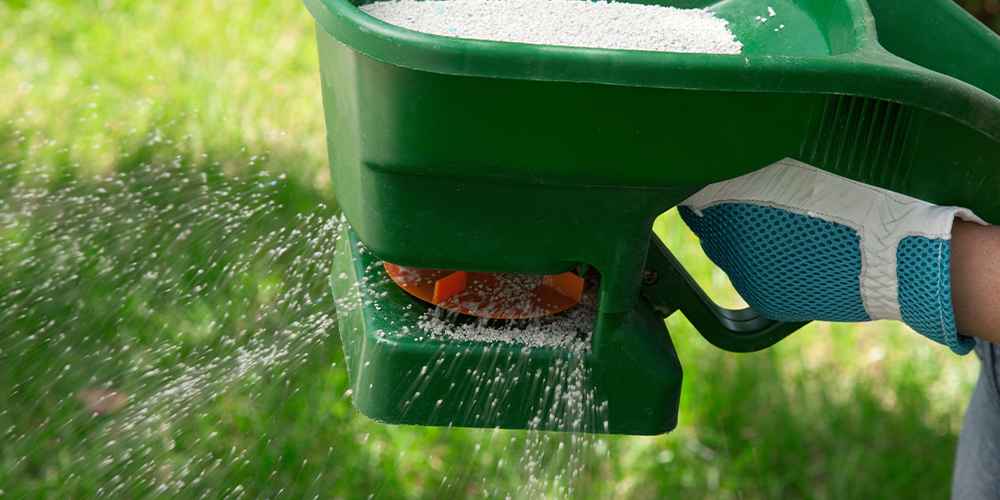
5. Use a Fertilizer with a Crabgrass Removal Additive
Most of us already know the benefits of fertilizer for the lawn. But, if you go a step further and apply a combination crabgrass prevention and fertilizer product just before it rains, the rainfall will also help work the fertilizer and pre-emergent herbicide into your soil. The fertilizer helps to thicken the turf of your grass, which leaves fewer spots for crabgrass to creep back in.
6. Keep An Eye Out
It’s a simple suggestion, but keeping a regular eye out for crabgrass and spotting it early will save you a lot of trouble in the long run. If you’re looking out your window and noticing some in your yard right now, go and pick it out as soon as possible! The sooner you notice it, the less opportunity it has to spread. Carefully pull out young shoots and dispose of them in the garbage so they don’t germinate elsewhere!
Crabgrass may have tried to crash your garden party, but we’re here to help you remove it! For more information on crabgrass prevention and removal, visit us at Plant Perfect Garden Center in Bismarck, North Dakota, today.