2020 was a year of surging interest in both indoor plants and gardening, as we found ourselves spending more time at home and craving the comfort of plants. This interest will undoubtedly remain high in 2021 because, once the green thumb roots, it tends to keep growing! Here are some trends in indoor plants and gardening that will keep building in 2021, and some ideas for you can put your own unique spin on them.
What Are the Best Low Maintenance Plants?
Many of the top indoor plants trending for 2021 also happen to be low-maintenance:
- Fishbone cactus. A cactus that looks surprisingly fern-like, this original-looking plant requires only minimal watering and indirect light.
- Happy bean plant. The happy bean needs lots of sunlight, but as a semi-succulent, it only needs to be watered every once in a while.
- Mistletoe cactus. This cactus likes humidity but doesn’t need bright sunlight, so your well-lit bathroom or kitchen would make an excellent home for it.
- Snake plant. Also known as Mother-in-Law’s Tongue, the snake plant is renowned for its ability to survive in low light and with minimal watering.
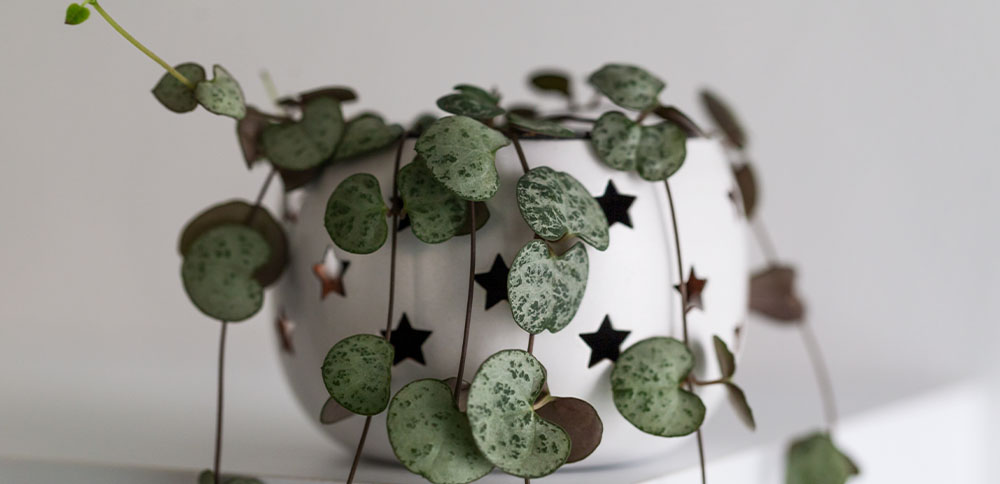
- String of hearts plant. This beautiful trailing semi-succulent requires only occasional watering, but be sure to put it in a place where it can get direct sunlight for part of the day.
Tiny gardens encompass all kinds of inventive ideas, but some of the key concepts involve re-imagining homegrown food and treating more “outdoor” plants as indoor plants.
Tiny Gardens: An Inspiring Blend of Indoor Plants and Outdoor Sensibilities
In 2020, people living in apartments and other small spaces were inspired to make their homes a more enjoyable sanctuary as they rode out the pandemic. One of the ways they did this—and in record numbers, too—was embracing tiny gardens. Tiny gardens encompass all kinds of inventive ideas, but some of the key concepts involve re-imagining homegrown food and treating more “outdoor” plants as indoor plants.
How can you create (or expand) your own tiny garden in 2021?
- If you have a balcony or some other outdoor area lacking space for a traditional garden plot, fill it with potted veggies and greens. Besides the potted classics that we tend to think of first, like tomatoes, plenty of other plants such as beans, carrots, cucumbers, and kale are happy to grow in pots. Look for the dwarf varieties that don’t need as much space to grow.
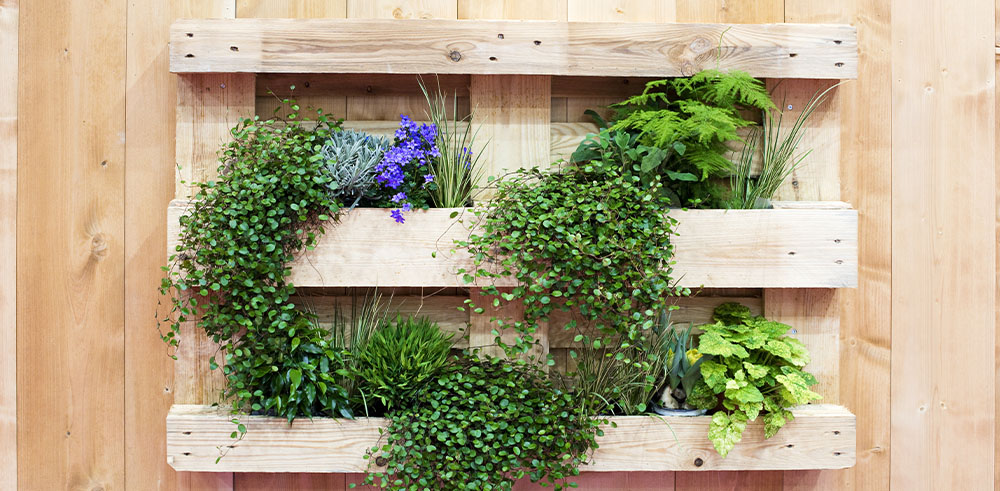
- Try designing a container garden. This is when you choose a few different types of plants to include in one container and can be a particularly striking way to grow flowering plants and ornamental grasses.
- Try a conifer in a container! There are specialty conifers that do well in pots, such as Juniper Blue Star and Arborvitae Hetz Midget.
- If you’ve got windowsills, fill them with edible plants. Some of the best windowsill veggies include pea shoots, radish, and edible flowers such as calendula (also known as pot marigold).
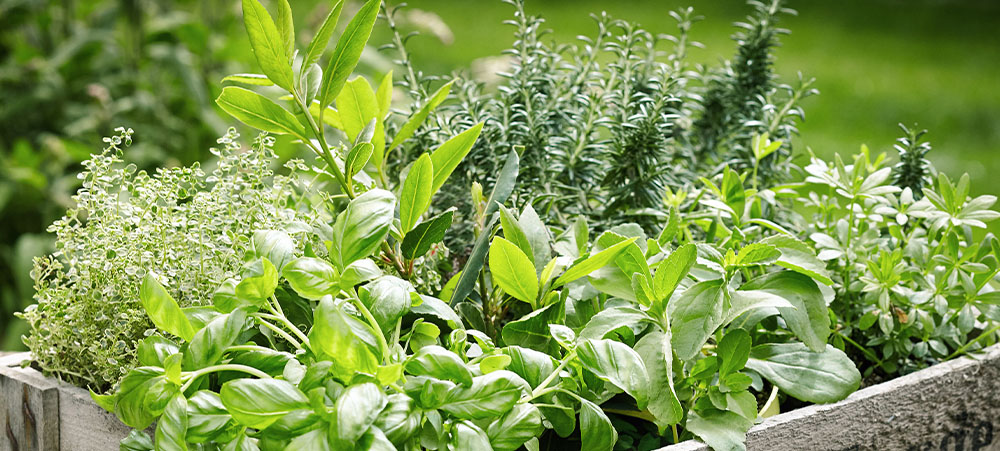
- Savor fresh herbs year-round by growing them in pots that you keep outside or inside depending on the season. Herbs that do well in year-round pots include basil, oregano, and thyme. You can also group three or four together in one pot.
- In addition to herbs, consider what other potted plants you could move inside for the winter and keep year-round. In North Dakota, for example, some plants that we think of as annuals are actually tender perennials that you can keep as houseplants over the winter. One advantage of overwintering these perennials inside is they will start their spring growth spurt earlier and thus have a head start when you move them outside for the summer.
- Does your home have a dark space lacking natural light? Get a grow light or two, and fill that space with plants. You can start plants with the intention of moving them outside in the spring or create a permanent new space in your home for indoor plants. There are now plenty of aesthetically pleasing grow lights that can blend well into your home decor.
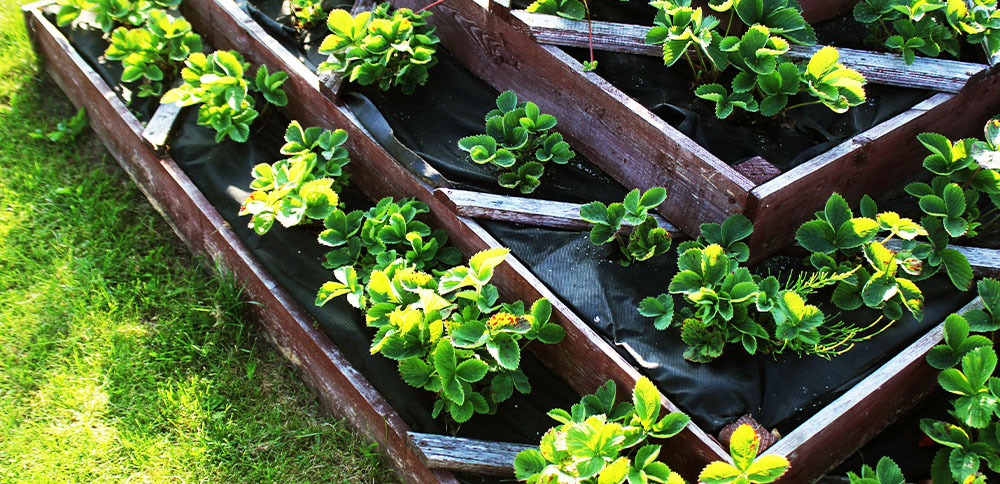
Raised Garden Beds
Raised garden beds have been popping up in more yards for a few years now, and this trend will stay strong in 2021. Besides giving your space a neat, tidy look, raised beds are easier to tend for people who have mobility issues, and you have absolute control over the soil quality. You can also add them to spaces that can’t house a traditional garden plot, like a paved rooftop.
Veggies that do particularly well in raised garden beds include:
- Root vegetables such as carrots, parsnip, radish, and beets
- Potatoes (it’s even easier to hill potatoes when they’re growing in a raised bed because the soil in raised beds tends to be looser than landscape soil)
- Onions
- Squash such as yellow squash and zucchini
- Greens such as leaf lettuce
Permaculture Gardening
More and more people are gaining an appreciation for the earth’s natural ecological processes for growing food, and so they’re seeking to tap into these natural processes by practicing permaculture.
A term coined in 1978, permaculture means growing your food in a way that mimics how the earth would naturally do it. Here are some simple permaculture techniques for your yard and garden:
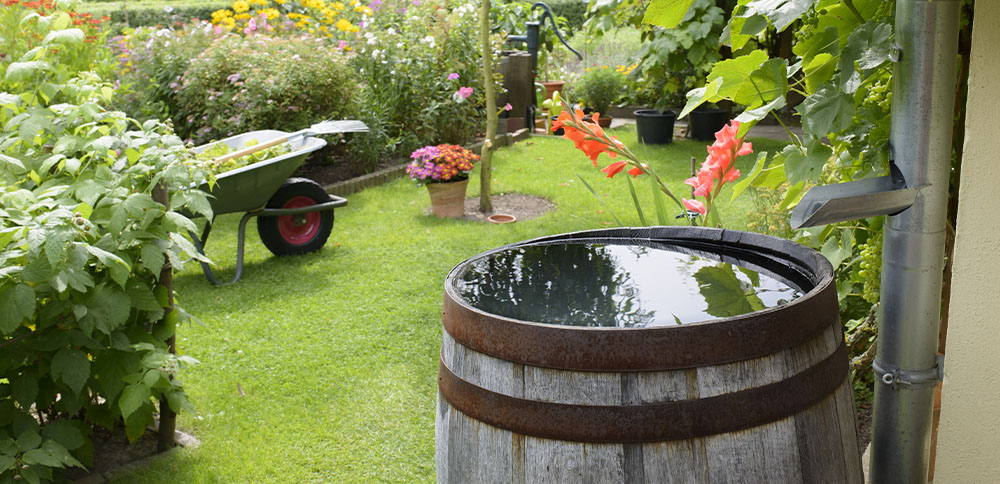
- Collect rainwater with eavestroughs and rain barrels, and use it as the primary water source for your garden.
- Start a compost to recycle your plant waste into soil.
- Let your yard and garden run a little more “wild.” Don’t worry about pruning, weeding, and mowing as much, and let more native species grow and take their natural place. This is the sort of environment that makes great habitat for bees.
- Speaking of bees and other pollinators, plant plenty of flowers that bloom throughout the season so they’ll visit you all summer.
- Bare soil doesn’t exist in nature. Instead of bare soil, plant so that every square inch of your soil will be utilized and occupied by plants you want. And when you do this, guess what doesn’t have the chance to grow? That’s right—weeds!
If you’d like to explore permaculture or any of these other trends in more detail, visit Plant Perfect for inspiration! From trending indoor plants to tiny garden ideas, we can help.