

Every bulb gardener looks forward to the spring when our careful planting in the fall rewards us with a rainbow of brilliant color. We simply can’t imagine our spring landscapes without crocuses, tulips, daffodils, hyacinths, and other classic spring-flowering bulbs. Most bulbs are, in essence, perennials, so they’ll keep reappearing in your flower beds year after year as long as you provide them proper seasonal care through North Dakota’s fluctuating weather! Here are some fabulous ideas to help you achieve a spectacular spring garden design with the bulbs in your garden.
Planting Bulb Garden Beds in the Fall
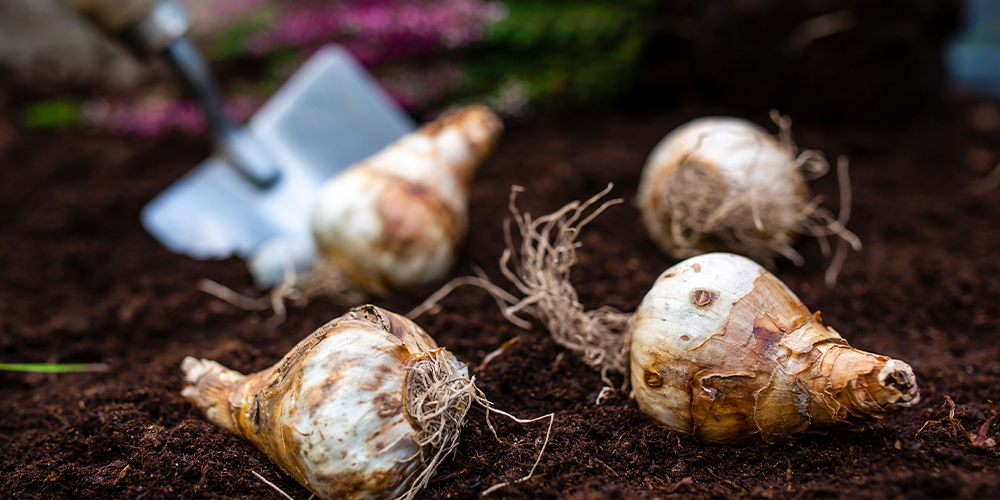
Fall is the season for setting up garden beds for spring bulb planting. Some best practices for planting your bulb garden beds include:
- Plant bulbs per their individual package directions.
- Plant each bulb three times deeper than its height.
- Always plant your bulbs with the pointed side up.
- Work some bone meal and bulb food into the hole before backfilling with soil.
- After planting, cover the planting area with a generous layer of mulch to insulate the bulbs for the winter.
- After blooming, most bulbs can be stored inside or left underground all year round. Leave the foliage on your bulbs until it dies back naturally after they have flowered. Dead foliage can then be cut back and removed.
Spring Bulb Garden Design Ideas
Plant Bulbs In Clusters
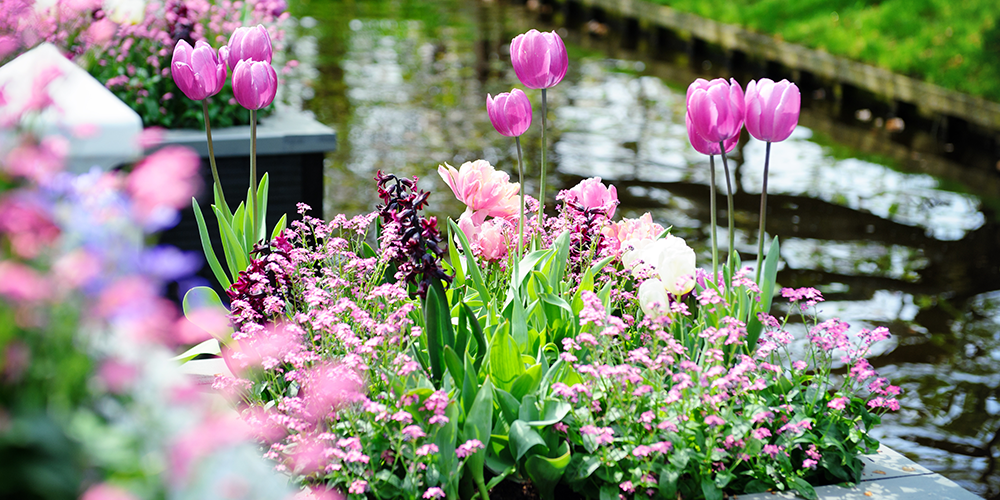
Clustering your bulbs offers a concentration of color in your garden beds. In case you don’t have enough bulbs for a big bed, small clusters of bulbs can still make a stunning spring display. Consider this when determining the size of your garden beds and how many bulbs you’ll need to fill things up!
Pair Colors Thoughtfully
Color means everything in garden bed design, and planting with bulbs is no exception. Use varying hues to keep things interesting in your spring beds and pair wisely. Try combining bulbs in shades beside or across from each other on the color wheel.

Keep Low Bulbs To The Front
Each bulb’s packaging will provide information about the height of the flower and its estimated blooming schedule. When planting bulbs that bloom at the same time, you’ll want to keep shorter plants at the front. The key to continuous color throughout the season is planting early, mid, and late spring bloomers and arranging them by height so that new blooms continuously open as the older ones fade.
Stack’ Em
When planting your bulb garden beds, more really is the merrier. You can layer bulbs vertically underground (a technique known as “lasagna planting” so the latest bloomers are deepest underground and the early bloomers are closer to the surface. This method allows you to fit more bulbs in the same square footage, leading to more blooms throughout the season. To do this, dig an extra-deep hole for your latest-blooming bulb, plant with bone meal and bulb food, and cover the bulb in a layer of soil before repeating the process with your next layer.

How Many Bulbs Should I Plant Together?
Aim to plant your bulbs in groups of at least eight or more bulbs. Plant as many groupings as you can fit, depending on how much of your bed space you want to devote to your bulbs. For an average-sized garden bed, around 30 bulbs arranged in at least three groups should offer plenty of color payoff in the spring.
Creating an eye-catching spring garden bed is as easy as can be with these DIY design ideas. When your bulbs pop up in the spring, you’ll thank yourself for all the hard work you put in this autumn! Visit us at Plant Perfect Garden Center in Bismarck, North Dakota, today for more tips on designing a spring garden bed with your bulbs.