It might seem like we have a very short gardening season in North Dakota. You’re not wrong, but there’s also a lot of gardening tasks you can do in the offseason to make your summer gardening a little easier. Here’s a list of garden and landscape related tasks that you could do each month of the year in Bismarck to keep the gardening spirit alive.
January
- Get a jump start on the garden planting calendar by getting your seed starting equipment ready: wash trays and containers, make sure your grow lights still work, figure out where you’re going to set them up.
- Sort through the seeds you have and decide what you need to buy seed for.
- Order your seeds early. It’s looking like seeds will be in high demand again for 2021, so get your order in soon to make sure you get what you want and get it early enough.
February
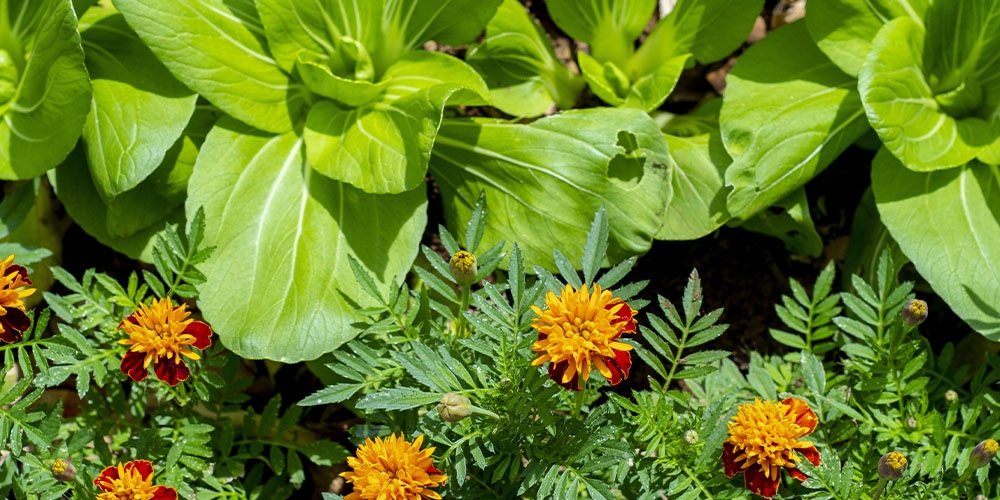
- If you’re a planner, February is an excellent time to start thinking about where you want to plant things in your garden this year. If you haven’t experimented with companion planting before, consider giving it a try this year.
- Organize your seeds and figure out when you need to plant each type of seed you’ll be starting indoors this year. Our last frost is usually around the 10th of May, so count backward from there to create your planting calendar.
March
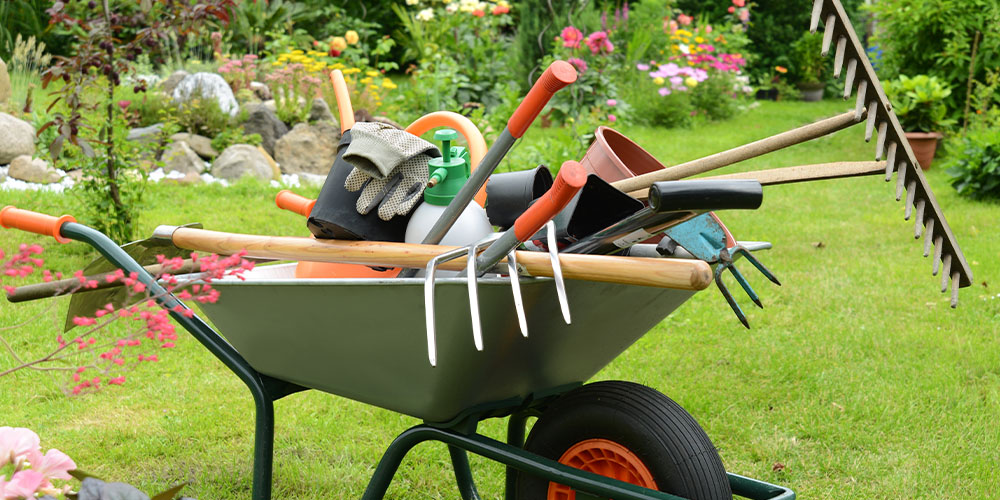
- Pull your gardening tools out of storage and give everything a good cleaning and sharpen any tools that need it. Oil them afterward to prevent rust and make them move smoothly.
- Prune summer-flowering trees.
- You may need to start some seeds in mid-March, like celery, eggplant, peppers, rosemary, thyme, and oregano.
- Towards the end of the month, you can start basil, broccoli, brussels sprouts, cabbage, cauliflower, sage, kale, and tomatoes.
- Towards the end of the month, you may want to pull out the lawnmower and service it: change the oil, replace the spark plug if needed, clean and sharpen the blade, and clean out all the caked-on grass under the deck.
- Clean the gutters and check the downspouts on your house as soon as the snow is melted to prevent drainage problems.
April
- Once your seedlings are starting to get larger, you can start hardening them off in May. You can start this process on warmer days before the last frost, but not if the days are still really cold.
- Radishes can be direct seeded into the garden early in the month as long if you can dig in the soil.
- It’s time to start planting a good chunk of the seeds you’re starting indoors, particularly make sure to get your tomatoes and peppers started early if you didn’t plant them in March.
- Plants that like cool germination, like peas, spinach, dill, and carrots, can be direct seeded into the garden anytime this month, starting around the 10th.
- You should be starting sweet potatoes, watermelon, cantaloupe, cucumbers, and squash or pumpkin seeds indoors now.
- Overseed bare patches, add fertilizer, and consider aerating your lawn towards the end of the month.
- Mow your lawn on the mower’s highest setting for the first time.
- Cut back ornamental grasses once the snow is gone, and you start to see new shoots coming up at the base.
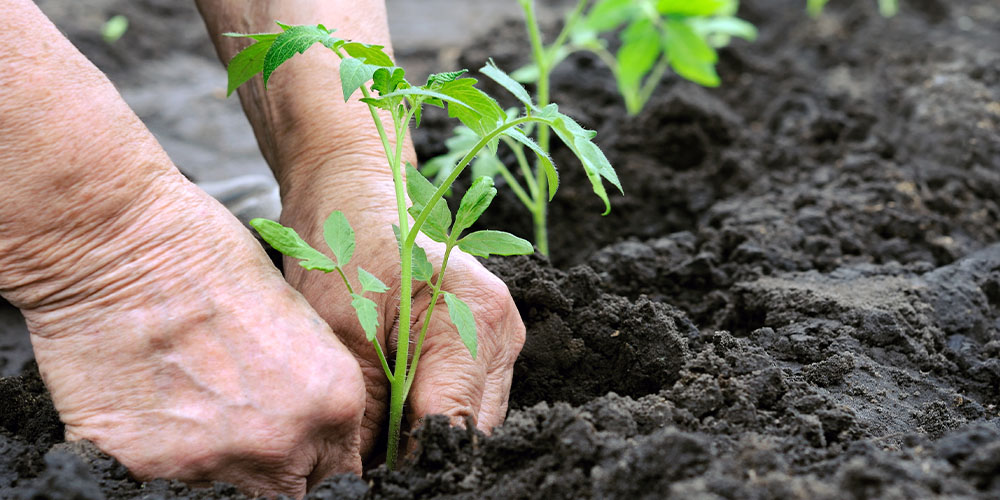
- Towards the end of April or early May, you should be able to start transplanting broccoli, Brussels sprouts, cabbage, cauliflower, kale, kohlrabi, and Swiss chard seedlings into the garden.
- Wash your outdoor planters and pots before you start planting in them.
- If you’re adding trees or shrubs this year, you can start planting them anytime after the last frost.
May
- You can start to direct seed lots of other veggies into the garden now, like parsnips, beets, potatoes, cilantro, corn, and beans.
- Get a jump on your weeding this year. The more frequently you can cut them off while they’re still small, the easier it will make your weeding later in the summer.
- You can transplant out celery, peppers, rosemary, thyme, oregano, basil, sage, tomatoes, and lettuce seedlings into the garden in May.
- Fill your pots and planters with lush annuals.
- Prune spring-flowering trees and shrubs, like lilacs, immediately after they finish blooming to ensure they set buds for next year.
June
- Keep weeding.
- Start deadheading.
- Plant out eggplant, sweet potatoes, melons, cucumber, squashes, and pumpkins.
- If you didn’t get your direct seed veggies into the ground towards the end of May, make sure to get them in early in June.
- Direct seed okra in June.
- Towards the end of June, give the annual flowers in your baskets and planters a haircut, pruning them back by about 1/3rd of the whole plant volume to encourage bushier growth and more flowers for the rest of the summer.
July
- Keep weeding.
- You can get a second crop of some different veggies now if you get them planted early in July, including beets, broccoli, carrots, kale, lettuce, and spinach.
- Stay on top of feeding and watering your tomatoes to prevent blossom end rot.
August
- Take a few moments to really enjoy the tasty delights your garden has been producing for you.
- Stop to appreciate all the work you’ve put in to get your garden and yard looking great this year.
- Then, keep weeding.
- Give your garden a bit of a refresh by clearing up spent annuals and replacing them with fresh ones.
- Add cool-season perennials.
- Plant garden mums.
September
- Think about which tender perennials and herbs you might want to overwinter indoors, and start transitioning them to indoor plants.
- Plant new trees or shrubs and make sure they are watered consistently before winter sets in.
- Plant perennials like garden phlox, tickseed, sedum, bee balm, pincushion flower, blanket flower, salvia, or lamium.
- Start working on final harvesting for the growing season and preserving your veggies.
- Be prepared to cover plants or move them inside as frost may come as early as September 20.
October
- Clean up spent annuals and vegetable plants and compost them.
- Clean up leaves, chop them up, and compost them or mix them into your garden soil.
- Aerate, overseed, and fertilize your lawn.
- Top up your mulch.
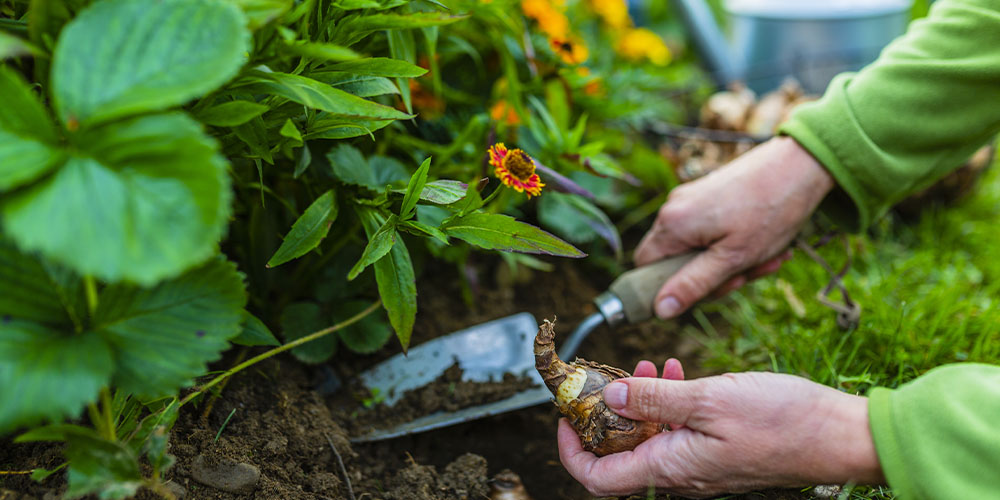
- Plant spring-flowering bulbs.
- Deeply water and wrap young shrubs and trees by wrapping them in burlap.
- Apply tree wrap to protect tree trunks from damage.
- Get out your BBQ cover.
- Store outdoor furniture and decor.
- Clean the gutters on your house.
November
- Clean, repair, sharpen, or replace worn-out, damaged, or dirty garden tools.
- Enjoy your houseplants and dream about the landscaping or gardening things you want to try next season.
- Feed the birds.
December
- Start thinking about what seeds you might want to start indoors in the spring.
- Enjoy your houseplants.
- Feed the birds.
- Soak up opportunities for rest and relaxation ahead of next year’s busy growing season.